
Introduction
Millions of people worldwide suffer from hair loss, a prevalent condition that affects both emotional and physical well-being. Alopecia stands out from many other dermatologic conditions. As a disorder that can be very difficult to manage. In this article, we examine the complexities of alopecia, including its kinds, origins, available treatments, and the emotional impact that it has on people who are impacted.
What is Alopecia?
Hair loss is referred to medically as alopecia. There are various types of alopecia, each with its own traits and underlying causes. Certain forms of alopecia are transient and treatable, but others are chronic, and might result in irreversible hair loss.
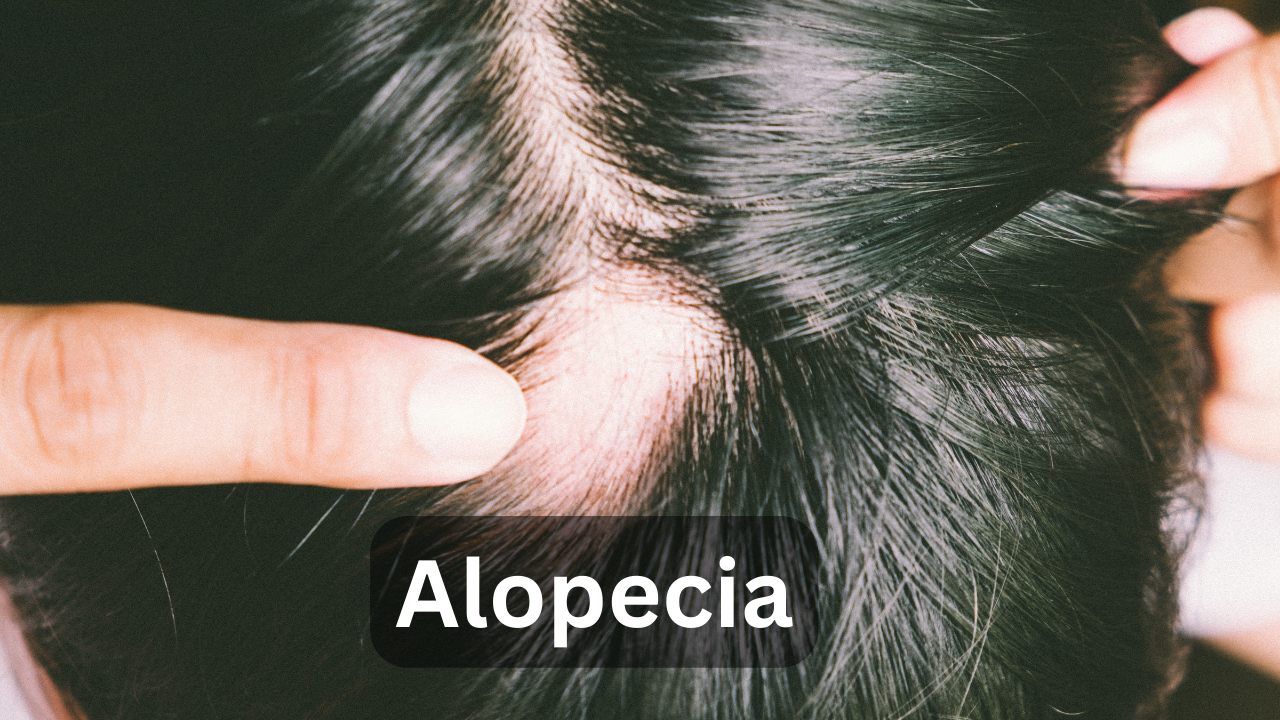
A few Types of Alopecia
- Androgenetic Alopecia: Also known as male-pattern or female-pattern baldness, androgenetic alopecia is the most common form of hair loss, affecting both men and women. It is typically hereditary and results in a gradual thinning of hair over time. Women may notice gradual thinning on the top of the scalp, or “widening of the middle part” when styling their hair. In men, recession of the hairline and thinning of the crown is fairly common.
- Alopecia Areata: This type of alopecia is characterized by sudden, patchy hair loss, often occurring on the scalp but can also affect other areas of the body. Alopecia areata is an autoimmune condition where the immune system mistakenly attacks hair follicles, leading to hair loss.
- Alopecia Totalis: In cases where alopecia areata progresses to complete hair loss on the scalp, it is referred to as alopecia totalis. This form of alopecia can be emotionally distressing due to the significant loss of hair.
- Alopecia Universalis: This is the most severe type of alopecia; all body hair, including eyelashes, eyebrows, and even hair in the pubic and underarm areas, is lost. It can significantly affect a person’s quality of life and self-esteem, similar to alopecia totalis.
Causes of Alopecia
Although the precise cause of alopecia is still unknown, a number of variables, including stress, autoimmune diseases, hormone imbalances, heredity, and some medical treatments like chemotherapy, can lead to its development.
Treatment options
Depending on the exact type and severity of the problem, managing alopecia requires a multi-pronged strategy. Possible courses of treatment options include:
- Medications: In situations of alopecia areata, topical or oral drugs including minoxidil, finasteride, and topical or intralesional corticosteroids can help stimulate hair regeneration and lower inflammation.
- Low-level laser therapy may help with improving hair density.
- Immunotherapy: To promote hair regrowth, this treatment creates an allergic reaction on the scalp. It is primarily applied to alopecia areata situations that are severe.
- Dermarollers/microneedling with/without PRP and with/without stem cells can bring nutrient-rich blood to the area.
- Wigs and Hairpieces: For those who are significantly losing their hair, wigs and hairpieces provide a convenient, and quick non-invasive way to regain their confidence and appearance.
- Hair Transplantation: Surgical techniques such as hair transplantation can be explored in cases of permanent hair loss in order to transfer hair follicles from areas of dense growth to balding areas.
Emotional Impact
Alopecia can have an adverse influence on a person’s emotional health in addition to its physical manifestations. Feelings of self-consciousness, anxiety, and sadness can result from the abrupt changes in appearance. Loss of confidence and stressors caused by social stigma attached to hair loss also influence quality of life. It is imperative that individuals managing alopecia seek assistance from their loved ones, support groups, or mental health specialists in order to effectively manage the emotional obstacles linked to the condition.
Alopecia is a journey that involves emotional, psychological, and social components in addition to its physical manifestation. In order to manage their disease and regain their sense of wellbeing and self-confidence, those affected by alopecia can make educated decisions by learning about the various forms, causes, and available treatment options. Furthermore, a more accepting and understanding culture where everyone feels appreciated and accepted regardless of appearance should be strived for. This can be accomplished by increasing public awareness and developing empathy for those who suffer from alopecia.
The Lucid Way
Here at Lucid Dermatology, we believe in leaving no stone unturned when it comes to hair loss after getting a detailed history, we may consider ordering detailed bloodwork to check for abnormally of a whole host of hormones and inflammatory markers based on the patient’s history and bloodwork results we would then create a custom treatment plan that addresses the underlying issue that is causing the alopecia