
Acne, a common skin condition affecting people of all ages, can be a source of frustration and embarrassment. However, the good news is that there are various effective acne treatments available to help combat acne and achieve clear, radiant skin. In this comprehensive guide we’ll explore different acne treatments, their mechanisms, and tips for maintaining healthy skin.
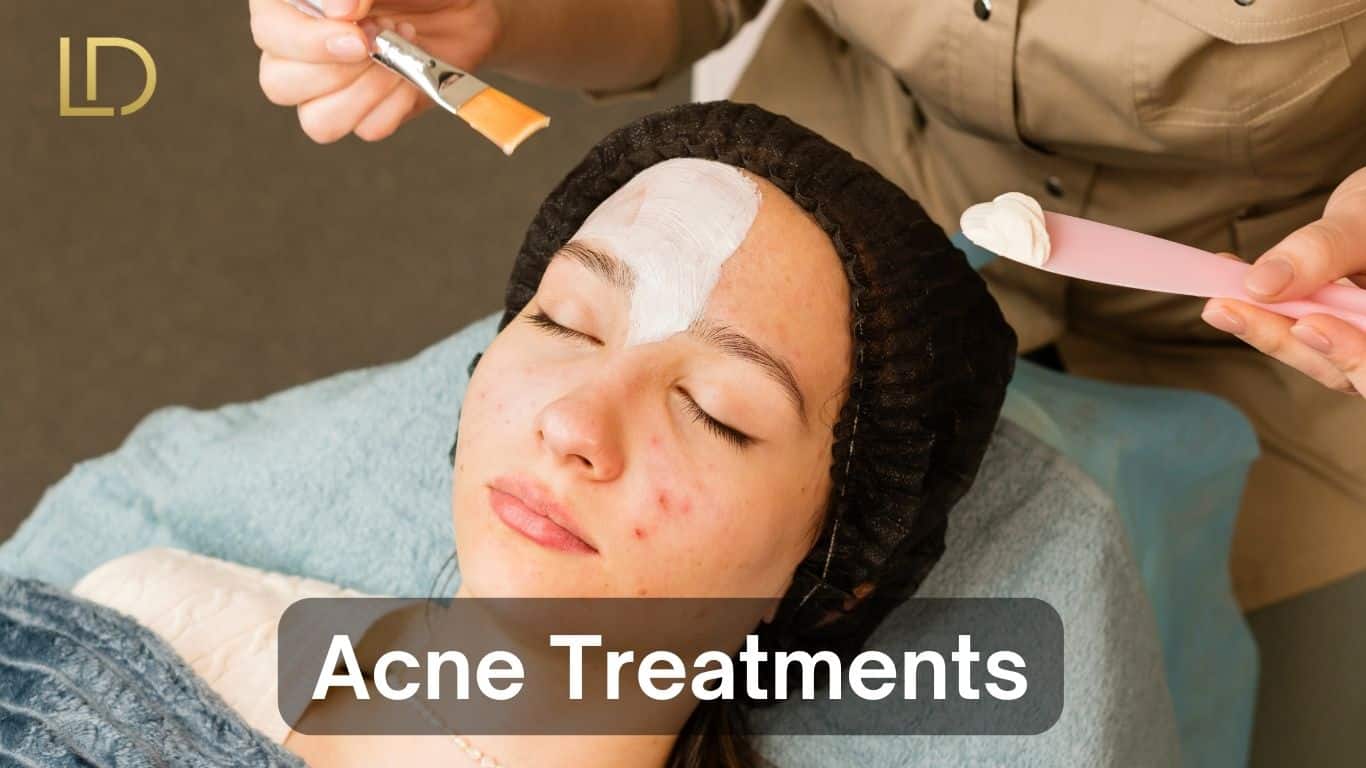
1. Understanding Acne
Before delving into treatments, it’s crucial to understand the factors contributing to acne. Acne is often caused by a combination of factors, including excess oil production, clogged pores, bacteria, and inflammation. Hormonal changes, genetics, diet and lifestyle choices can also play a role in the development of acne.
2. Over-the-Counter (OTC) Treatments
Many people start to use over-the-counter products as part of their acne treatment plan. Typically, these formulations contain alpha hydroxy acids, salicylic acid, or benzoyl peroxide as active ingredients. While salicylic acid and alpha hydroxy acids help exfoliate the skin and prevent pore congestion, benzoyl peroxide eliminates bacteria. Even while over-the-counter medications work for some people, it is best to consult a dermatologist if the condition is not responding to over the counter products or if the acne is severe. Their experience can ensure a more thorough and expert approach to acne care by accelerating outcomes and minimizing potential skin harm.
3. Prescription Medications
For moderate to severe acne cases, dermatologists may prescribe topical or oral medications. Topical retinoids, antibiotics, and combination medications can be effective in reducing inflammation and preventing new breakouts. Oral antibiotics may be prescribed for their antibacterial/anti inflammatory properties while hormonal therapies are often recommended for women with hormonal acne.
4. Advanced Treatments
In cases where traditional treatments may not suffice, dermatological procedures can be considered. These include:
a. Chemical Peels: Chemical peels serve as a meticulous method for exfoliating the outer layer of the skin, fostering the regeneration of fresh and healthier skin cells. Within the offerings at Lucid Dermatology, we provide a diverse range of chemical peels tailored to accommodate various skin types. Our selection encompasses Jessner’s peels, glycolic, salicylic, lactic, mandelic acids and hydroquinone. This ensures a comprehensive array of options to address specific skincare needs.
b. Laser Therapy: In the realm of advanced skincare, laser therapy stands out as a prominent approach. At Lucid Dermatology we specifically use Areolase, a cutting-edge laser technology, has gained recognition for its efficacy in addressing acne concerns. This innovative therapy harnesses laser energy to target acne-causing bacteria, effectively reducing inflammation in the process. Laser therapy not only addresses current acne issues but also promotes overall skin health, making it a noteworthy choice for those seeking a comprehensive and sophisticated solution to acne management.
c. Extractions: Extractions are a method where a pus filled pimple or black/whitehead is removed from your skin pore by applying a small amount of pressure using a sterile looped extractor tool. This treatment needs to be done very carefully as applying too much pressure to the skin can result in unwanted scar formations and or hyperpigmentation. It’s important to emphasize the dangers of trying at-home extractions, such as popping or picking pimples. These procedures may worsen acne lesions, increase inflammation, and introduce germs into the skin, which may result in infections, hyperpigmentation and scars. Opting for professional extractions not only ensures a safer and more effective removal process but also plays a crucial role in preserving overall skin health.
5. Lifestyle and Skincare Habits
In addition to medical treatments, the holistic management of acne involves incorporating healthy lifestyle habits and adhering to a comprehensive skincare routine. To optimize skin care benefits, consider the following detailed tips:
a. Gentle Cleansing: Opt for a mild cleanser specifically formulated for sensitive or acne-prone skin. Gentle cleansing helps remove impurities without causing irritation, promoting a balanced and healthier complexion.
b. Moisturize: Hydration is key in maintaining skin health. Choose a non-comedogenic moisturizer to keep the skin adequately hydrated. Proper moisturization helps prevent excessive oil production, contributing to a more balanced and less acne-prone complexion.
c. Sun Protection: Shielding the skin from harmful UV rays is paramount in acne management. Incorporate a broad-spectrum sunscreen into your daily routine to protect against UV damage, as not adhering to consistent sunscreen use can prolong unwanted hyperpigmentation which has the potential to exacerbate acne scars. Look for a sunscreen with an SPF level of at least 30 SPF and apply it consistently to safeguard the skin’s overall health and minimize the risk of pigmentation issues associated with acne. It is recommended to reapply SPF every 2 hours from late morning into late afternoon, if your skin is exposed to any sunlight or outdoor environment.
Achieving clear skin involves a personalized approach, as what works for one person may not work for another. Consulting with a dermatologist is crucial to determine the most effective treatment plan for your specific type of acne. By combining medical treatments with healthy lifestyle habits, you can embark on a journey towards clearer, healthier skin and boost your confidence along the way.
Frequently Asked Questions for Acne Treatments
1. Which treatment is best for acne?
Ans: Determining the best treatment for acne involves considering several factors, including:
- Severity of Acne
- Skin Type
- Medical History
- Type of Acne Lesions
- Treatment Goals
- Consistency and Patience
- Combination Therapy
- Side Effects
- Cost and Accessibility
- Consultation with a Healthcare Professional
2. How can I clear my acne fast?
Ans : To clear acne quickly, follow these steps:
- Cleanse your face twice daily with a gentle cleanser to remove dirt, oil, and impurities.
- Use topical treatments containing ingredients like benzoyl peroxide or salicylic acid to target acne-causing bacteria and unclog pores.
- Apply non-comedogenic moisturizers and sunscreen to keep your skin hydrated and protected.
- Avoid picking or squeezing pimples to prevent inflammation and scarring.
- Stay consistent with your skincare routine and be patient, as results may take time to show.
- If over-the-counter treatments aren’t effective, consult a dermatologist for personalized recommendations, including prescription medications or professional treatments.
3. How to find best acne dermatologist for your treatments?
Ans: Finding the best acne dermatologist for your treatments involves several steps:
- Research and Referrals: Start by researching dermatologists in your area who specialize in acne treatment.
- Check Credentials: Ensure that the dermatologist is board-certified and has expertise in treating acne. You can verify their credentials through professional organizations such as the American Academy of Dermatology.
- Read Reviews: Look for online reviews and testimonials from previous patients to gauge their satisfaction with the dermatologist’s services and treatment outcomes.
- Consider Experience: Consider the dermatologist’s experience and track record in treating acne. Find out how many acne patients they have treated and inquire about their success rates.
- Consultation: Schedule a consultation with the dermatologist to discuss your concerns, treatment options, and expectations. Use this opportunity to assess their communication style, level of expertise, and willingness to address your questions and concerns.
- Treatment Approach: Inquire about the dermatologist’s approach to acne treatment. Are they up-to-date on the latest treatment modalities and technologies? Do they offer personalized treatment plans tailored to your specific needs and preferences?
- Cost and Insurance: Determine whether the dermatologist accepts your insurance plan and inquire about the cost of consultations and treatments. Ensure that you understand the financial aspects of treatment before proceeding.