
Cystic acne is a severe type of acne that develops when bacteria, dead skin cells, and excess oil clog pores, causing deep-seated skin irritation. Large, painful cysts occur beneath the skin’s surface in cystic acne, in contrast to more common acne lesions like blackheads or whiteheads which are more superficial. These cysts can produce severe swelling, redness, and discomfort and are frequently filled with pus.
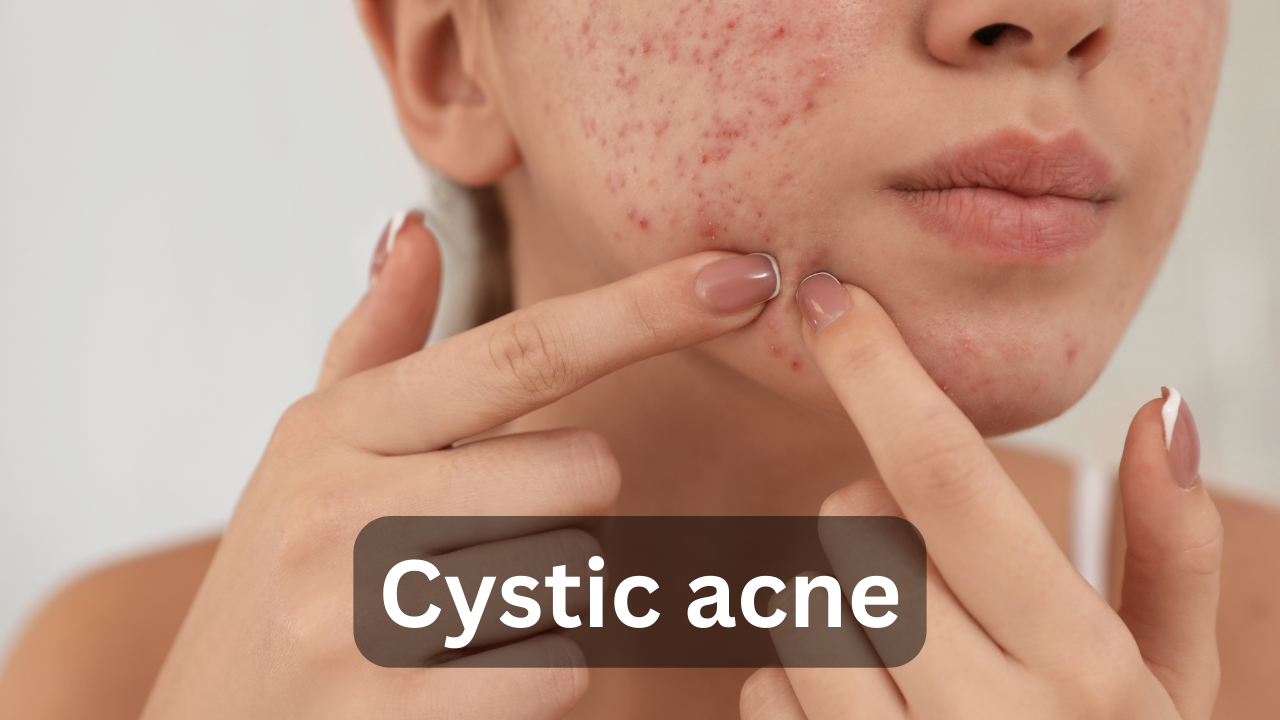
Causes of Cystic Acne:
- Excess Sebum Production: Overproduction of sebum by the sebaceous glands can contribute to the development of cystic acne. Excess sebum can clog pores and create an environment conducive to bacterial growth and inflammation.
- Hormonal Changes: Hormonal fluctuations, particularly during puberty, menstruation, pregnancy, or menopause can trigger cystic acne. Hormonal imbalances can contribute to sebum production and inflammation, leading to the formation of cysts.
- Genetics: A family history of acne can predispose individuals to developing cystic acne. Genetic factors play a role in how the skin produces and responds to hormones, sebum, and inflammation.
- Dietary Factors: Some studies suggest that certain dietary factors, such as high glycemic index foods or dairy products may contribute to the development of cystic acne in some individuals. However, more research is needed to fully understand the impact of diet on acne.
Symptoms of Cystic Acne:
- Large, painful cysts beneath the skin’s surface
- Severe inflammation, swelling, and redness
- Pus-filled lesions that may rupture and cause scarring
- Deep, persistent nodules or lumps
Treatment Options for Cystic Acne:
- Topical Treatments: Prescription-strength topical treatments containing ingredients like salicylic acid, glycolic acid, benzoyl peroxide, retinoids, or azelaic acid can help reduce inflammation, unclog pores, and prevent new acne lesions from forming. These treatments are typically used in combination with other therapies for optimal results.
- Oral Medications: Oral medications may be prescribed by a dermatologist to address severe or treatment-resistant cystic acne. These may include oral antibiotics to reduce bacterial inflammation, hormonal therapies such as birth control pills/anti-androgen medications to regulate hormones or isotretinoin (Accutane), a potent oral medication that targets multiple factors involved in acne development.
- Intralesional Injections: In some cases, dermatologists may administer intralesional corticosteroid injections directly into cystic acne lesions to rapidly reduce inflammation, and promote healing which will decrease their size.
- Professional Procedures: Dermatological procedures such as drainage and extraction, chemical peels, laser therapy, or photodynamic therapy (PDT) may be recommended for severe or persistent cystic acne. These procedures can help improve acne symptoms, reduce scarring, and promote clearer skin.
- Lifestyle Modifications: Adopting healthy lifestyle habits, such as maintaining a balanced diet, managing stress levels, avoiding abrasive skincare products, and practicing good hygiene can help support overall skin health and reduce the severity of cystic acne.
The Lucid way
Experience the Lucid Dermatology way to clear, radiant skin with our comprehensive approach to treating cystic acne. Our expert providers blend medications, chemical peels, extractions, injections, and even lasers, for targeted effective results. We pride ourselves in obtaining a thorough patient history to closely identify the cause and patterns of our patient’s acne to treat most accurately. From personalized care to advanced therapies, say goodbye to blemishes and hello to confidence with Lucid Dermatology.