
Acne is one of the most common skin conditions, affecting millions of people worldwide. While its causes are multifaceted, ranging from hormonal changes to genetics, one of the primary contributors to acne formation is the overactivity of sebaceous glands. These tiny glands, responsible for producing oil (known as sebum), play a crucial role in maintaining healthy skin. However, when they are overactive, they give the skin a shiny look and contribute significantly to acne development.
In this blog post, we’ll learn the relationship between overactive sebaceous glands, oily skin, and acne, exploring how and why this process occurs, the factors that exacerbate it, and how they can be managed.
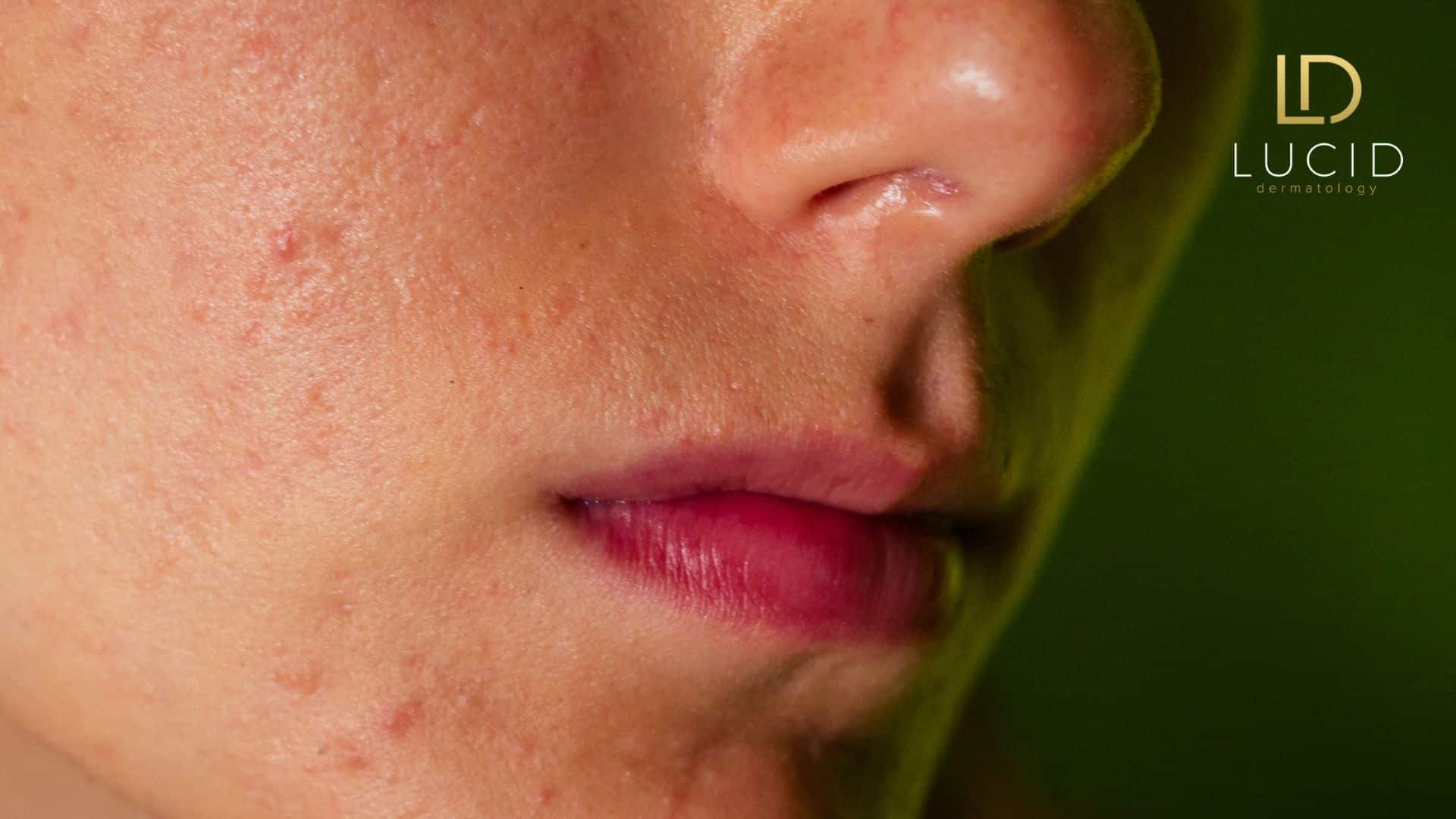
What Are Sebaceous Glands?
Sebaceous glands are microscopic sacs located within the skin, primarily in the face, back, chest, and scalp. These glands are attached to hair follicles and produce sebum, an oily, waxy substance that lubricates the skin and hair. Sebum plays a vital role in protecting the skin from external elements, such as bacteria and pollutants, while also preventing water loss, and keeping the skin hydrated.
Sebum production is controlled by androgens, a group of hormones that includes testosterone. Both men and women produce androgens, though men typically have higher levels. During puberty, androgen levels increase, stimulating sebaceous glands to produce more sebum, which is why many teenagers experience oily skin and acne.
How Overactive Sebaceous Glands Cause Oily Skin
When sebaceous glands produce too much sebum, the excess oil can make the skin appear greasy and prone to clogged pores. This condition is often referred to as seborrhea or oily skin. Oily skin often feels thick and coarse, with large pores that are more visible due to the accumulation of sebum. This excess oil can mix with dead skin cells and other debris, leading to the formation of comedones, which are clogged pores. These can appear as blackheads (open comedones) or whiteheads (closed comedones).
The Link Between Oily Skin and Acne
The relationship between oily skin and acne is closely tied to the process of pore clogging. When sebum production is high, the likelihood of clogged pores increases. Once a pore becomes clogged, it creates an environment where bacteria, particularly Cutibacterium acnes (formerly Propionibacterium acnes), can thrive.
Here’s how this process typically unfolds:
1. Excess Sebum Production: Overactive sebaceous glands produce more oil than the skin needs. This excess sebum accumulates on the skin’s surface.
2. Clogged Pores: The excess oil, combined with dead skin cells and debris, can clog hair follicles, forming a plug known as a comedo.
3. Bacterial Growth: Cutibacterium acnes, a bacterium that naturally resides on the skin, begins to multiply within the clogged pore. This bacteria feeds on the sebum, breaking it down into fatty acids that irritate the pore lining.
4. Inflammation: The body responds to this bacterial activity by sending white blood cells to the area, leading to inflammation. This inflammation manifests as red, swollen pimples, pustules, or cysts—classic signs of acne.
Factors That Exacerbate Sebum Production
Several factors can exacerbate sebaceous gland activity, leading to an increase in sebum production:
1. Hormonal Fluctuations: As mentioned earlier, androgens are the primary hormones responsible for stimulating sebaceous glands. During puberty, menstruation, pregnancy, or conditions that cause hormonal imbalance (such as with polycystic ovary syndrome), sebum production can increase, leading to oily skin and acne.
2. Genetics: Some people are genetically predisposed to have larger and more active sebaceous glands. If your parents had oily skin or acne, there’s a higher chance you will too.
3. Diet: Certain foods, particularly those high in refined sugars, dairy, and fats, have been linked to increased sebum production. A high-glycemic diet can cause spikes in blood sugar, leading to a cascade of hormonal changes that may boost sebum production.
4. Stress: Stress triggers the release of cortisol, a hormone that can increase oil production. This is why many people experience acne flare-ups during stressful periods.
5. Climate: Humid and hot weather can stimulate sebaceous glands to produce more oil. People living in tropical climates often struggle with oily skin and acne due to the increased sebum production in response to heat and humidity.
6. Improper Skincare: Over-washing or using harsh or overly drying skincare products can strip the skin of its natural oils, prompting sebaceous glands to compensate by producing even more oil. This can create a vicious cycle of oily skin and breakouts.
Managing Oily Skin and Acne
While you can’t change the size or number of your sebaceous glands, you can manage their activity and the resulting oil production to reduce the likelihood of acne. Here are some strategies:
1. Use Gentle, Non-Comedogenic Products: Opt for skincare products labeled as non-comedogenic, which means they are less likely to clog pores. Avoid harsh cleansers that strip the skin of oil, as these can trigger increased sebum production.
2. Incorporate Salicylic Acid or Benzoyl Peroxide: These ingredients are effective in controlling oil production and treating acne. Salicylic acid helps to exfoliate the skin and keep pores clear, while benzoyl peroxide targets acne-causing bacteria.
3. Moisturize Regularly: Even if you have oily skin, moisturizing is crucial. Look for oil-free, lightweight moisturizers that help maintain your skin’s hydration without contributing to excess oil.
4. Consider Topical Retinoids: Retinoids, derived from vitamin A, can help regulate sebum production and prevent clogged pores. They are particularly effective for treating both acne and oily skin.
5. Maintain a Balanced Diet: A diet rich in fruits, vegetables, whole grains, and lean proteins can help regulate hormone levels and reduce excess oil production. Avoiding high-glycemic foods helps keep your skin clear.
6. Manage Stress: Incorporating stress-reducing practices like meditation, exercise, or hobbies can help keep cortisol levels in check and reduce stress-related oil production.
7. Seek Professional Advice: If over-the-counter treatments aren’t effective, a dermatologist can prescribe stronger topical or oral medications that target sebum production and acne.
Conclusion
Overactive sebaceous glands are a key player in the development of oily skin and acne. While sebum is essential for healthy skin, its overproduction can lead to clogged pores, bacterial growth, and inflammation, culminating in acne. By understanding the factors that influence sebaceous gland activity and implementing targeted skincare and lifestyle changes, you can manage oily skin and reduce the likelihood of acne breakouts. If oily skin and acne persist, seeking advice from a dermatologist can provide additional options for treatment and management. At Lucid Dermatology we offer a personalized approach, considering skin type when prescribing medications, and offer recommendations that suit our patients individually.