Introduction
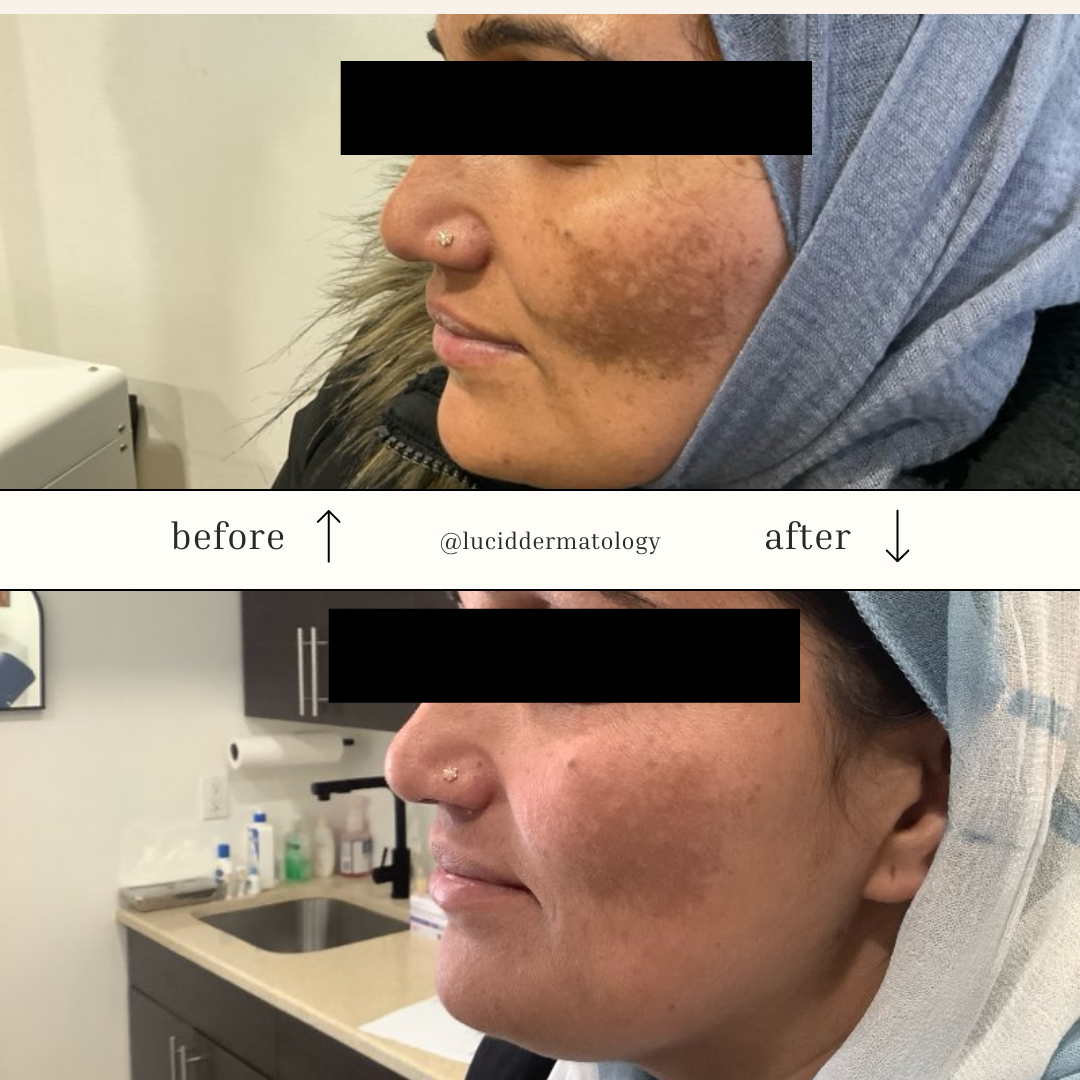
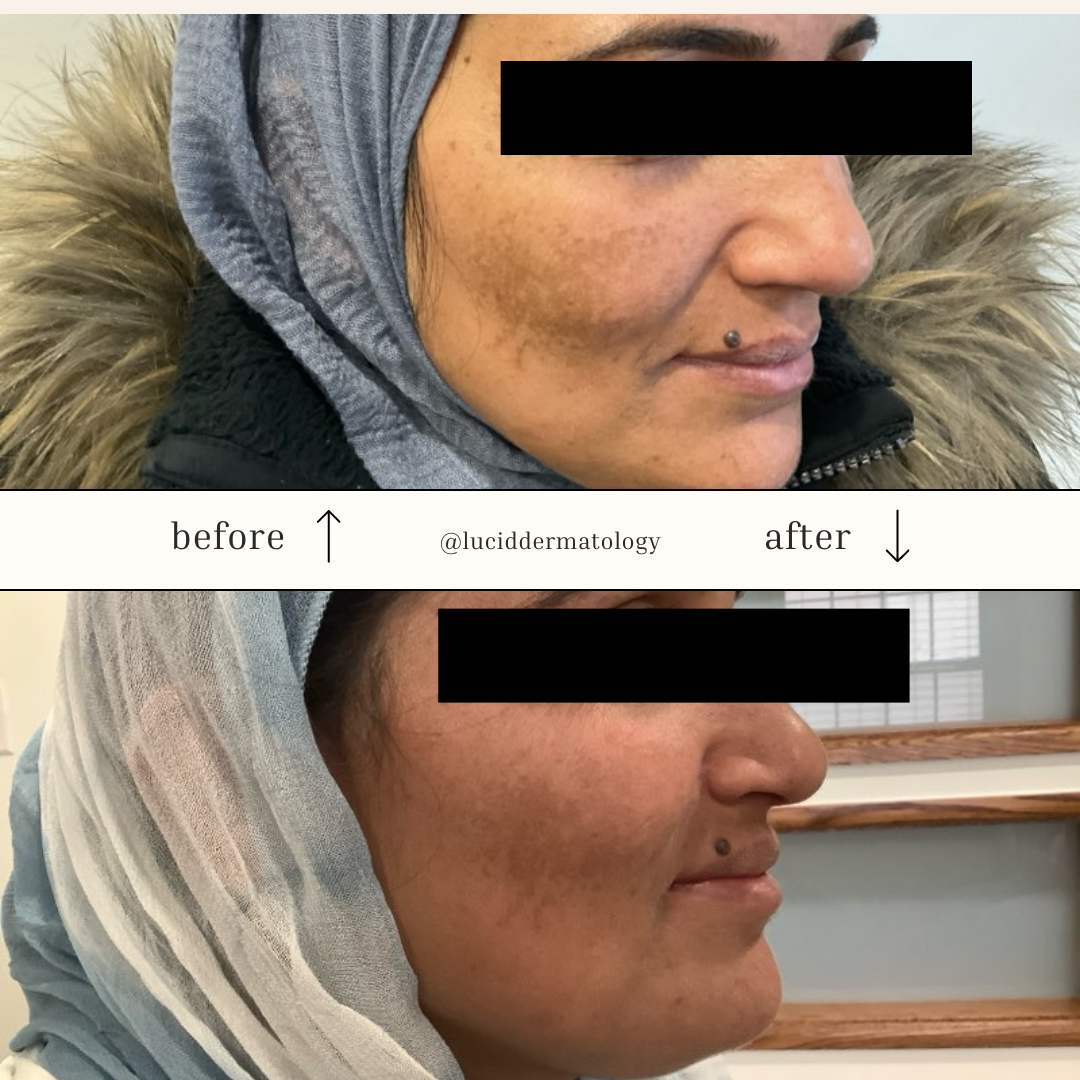
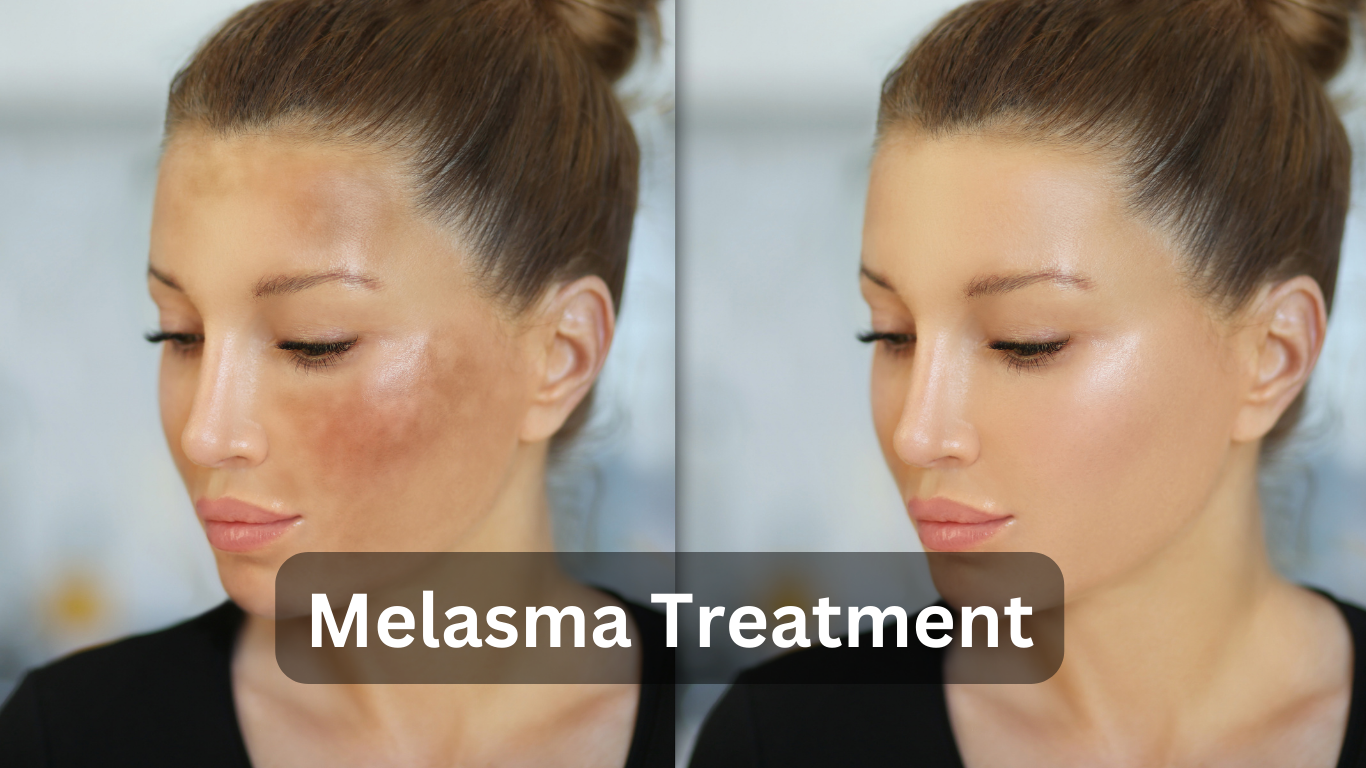
Melasma is characterized by dark, discolored patches on the skin which can be worsened rapidly from exposure to sunlight. This can be a frustrating and persistent condition. Fortunately, dermatologists have developed a range of effective treatments to help manage and reduce the appearance of melasma. This blog post will walk you through the step-by-step process dermatologists use to treat melasma, from diagnosis to ongoing maintenance.
Step 1: Comprehensive Diagnosis
The first step in treating melasma is a thorough diagnosis. Dermatologists will :
- Visual Examination: Inspect the skin to identify the characteristic dark patches of melasma.
- Wood’s Lamp Examination: This is not often required however a special UV light can help determine the depth of the pigmentation.
- Medical History Review: Discuss your medical history, including any hormonal changes, medications, and sun exposure and protection habits.
- Skin Biopsy: In rare cases, a small sample of skin may be taken to rule out other conditions.
Step 2: Sun Protection Strategy
Sun exposure is a significant trigger for melasma, even ten minutes in sunlight can darken spots of concern. Dermatologists will emphasize the importance of comprehensive sun protection:
- Broad-Spectrum Sunscreen: Recommend using a broad-spectrum sunscreen with an SPF of 30 or higher daily.
- Protective Clothing: Advise wearing hats, sunglasses, and protective clothing when outdoors.
- Sun Avoidance: Suggest avoiding sun exposure during peak hours (10 AM to 4 PM). Step 3: Topical Treatments
Topical treatments are often the first line of defense against melasma. Dermatologists may prescribe:
- Hydroquinone: A bleaching agent that lightens dark patches. Typically, it’s applied once or twice daily.
- Tretinoin and Corticosteroids: These are often used in combination with hydroquinone to enhance their effectiveness and reduce inflammation.
- Alternative Agents: Azelaic acid, kojic acid, and vitamin C may be recommended for their skin-lightening properties.
Step 3: Chemical Peels
For more persistent cases of melasma, chemical peels can be an effective treatment:
- Procedure: A chemical solution is applied to the skin, causing the top layers to peel off and promoting the growth of new, evenly pigmented skin.
- Types of Peels: Superficial peels are most commonly used for melasma. Glycolic acid, salicylic acid, and trichloroacetic acid (TCA) are typical agents.
- Recovery: Post-treatment, the skin may be red and sensitive. Sunscreen and moisturizer are crucial during the recovery phase.
Step 4: Laser and Light Therapies
For stubborn melasma that doesn’t respond well to topical treatments or chemical peels, dermatologists may suggest laser and light therapies. These procedures may cause temporary redness and swelling. Sun protection is vital to prevent recurrence:
- Intense Pulsed Light (IPL): Targets pigmented cells with light energy, breaking down melanin.
- Fractional Lasers: Create micro-injuries in the skin, promoting collagen production and reducing pigmentation.
Step 5: Microneedling
Microneedling is another option for treating melasma which involves small punctures in the skin which facilitates texture improvement, remodeling, and improved even pigment on the skin. This treatment requires minimal downtime, but the skin may be red and sensitive for a few days.
- Procedure: Tiny needles create micro-injuries in the skin, stimulating collagen production and enhancing the absorption of topical treatments.
- Recovery: Minimal downtime, but the skin may be red and sensitive for a few days.
Step 6: Oral Medications
In some cases, oral medications may be prescribed:
- Tranexamic Acid: An oral medication that has shown promise in treating melasma, particularly in cases resistant to other treatments.
- Considerations: Regular monitoring by a dermatologist is necessary due to potential side effects.
Step 7: Maintenance Therapy
Preventing melasma from recurring is a crucial part of treatment:
- Continued Sun Protection: Ongoing use of broad-spectrum sunscreen and protective measures.
- Long-Term Topical Treatments: Maintaining results with continued use of prescribed topical agents.
- Regular Check-Ups: Regular visits to the dermatologist to monitor skin condition and adjust treatments as needed.
Conclusion
Treating melasma is a multifaceted process that requires a personalized approach. By following these steps, dermatologists can effectively manage melasma, reducing its appearance and helping patients maintain clearer, more even-toned skin. If you’re struggling with melasma, consult our dermatologist to develop a tailored treatment plan that suits your specific needs. Remember, patience and consistency are key in managing this persistent condition.
The Lucid Protocol:
Melasma is frequently treated at Lucid Dermatology. We guide patients through the process of further worsening of the condition and help our patients achieve an even tone through our procedures in the office and topical prescriptions at home. Although this skin condition can be frustrating or stubborn, our treatment plans will bring you closer to your goals.
Before and After Images of Melasma Treatment