
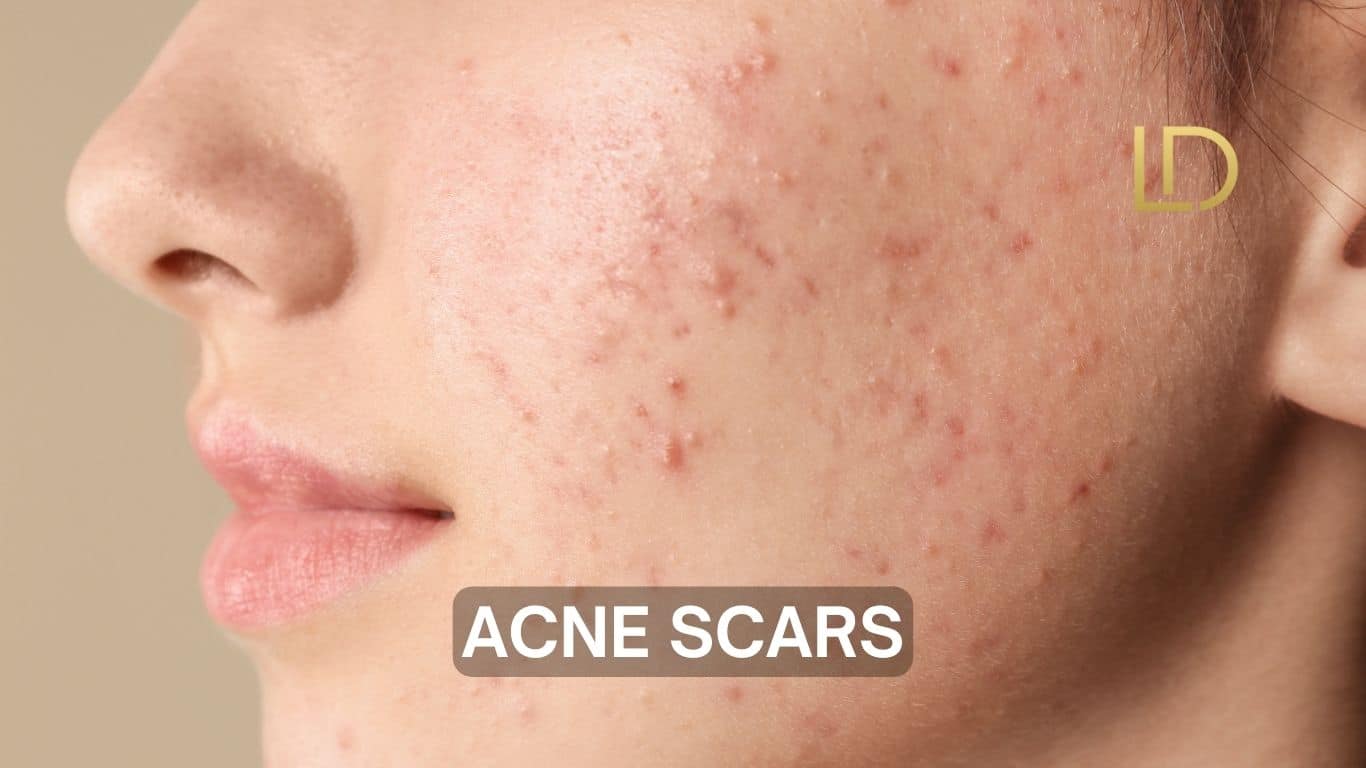
Acne is a prevalent skin condition that affects individuals of all ages, often causing physical discomfort and emotional distress. While the visible presentation of acne, such as pimples and inflammation, are temporary, the long-term effects can extend far beyond the initial breakout. One of the most common and persistent consequences of acne is scarring, which can manifest in various forms, including depressions or pits in the skin, raised keloid scars, and post-inflammatory hyperpigmentation. These acne scars not only alter the texture and appearance of the skin but can also have a profound impact on self-esteem and confidence.
Causes of Acne Scarring
Acne scarring occurs when the skin’s natural healing process is disrupted by severe or prolonged inflammation associated with acne breakouts. Factors that increase the likelihood of scarring include:
- Picking, squeezing, or popping acne lesions.
- Delayed or inadequate treatment of acne.
- Genetic predisposition to scarring.
- Severe or cystic acne lesions.
- Darkening of acne marks from post-inflammatory hyperpigmentation worsened by sun exposure
Types of Acne Scars
- Atrophic Scars: These scars appear as depressions or pits in the skin and are caused by a loss of tissue during the healing process.
- Hypertrophic Scars: These scars are raised and may appear red or pink. They result from an overproduction of collagen during the healing process.
- Post-inflammatory Hyperpigmentation (PIH): Dark spots or patches that develop after acne lesions heal, caused by an overproduction of melanin in response to inflammation.
Effects of Acne Scarring
- Physical Discomfort: Atrophic scars can alter the texture of the skin, making it rough or uneven to the touch.
- Psychological Impact: Acne scars can significantly impact self-esteem and confidence, especially as textural skin concerns are difficult to conceal with makeup long after acne has resolved. This can lead to feelings of self-consciousness and anxiety.
- Skin Discoloration: Hyperpigmentation can persist long after acne breakouts have cleared, further affecting the skin’s appearance.
Methods for Reducing the Appearance of Acne Scars
- Topical Treatments: Prescription creams containing retinoids, hydroquinone, or azelaic acid, among other acids, can help fade dark spots and improve skin texture.
- Chemical Peels: These treatments use exfoliating agents to remove the outer layer of skin, reducing the appearance of acne scars and hyperpigmentation.
- Microneedling: Also known as collagen induction therapy, microneedling involves using fine needles to create tiny punctures in the skin, stimulating collagen production and improving scar texture.
- Laser Therapy: Various laser treatments, such as fractional laser resurfacing and intense pulsed light (IPL), can target acne scars and hyperpigmentation, promoting collagen remodeling and skin rejuvenation.
Treatment Options for Acne Scarring
Medical/Cosmetic Treatments
- Laser Therapy: Fractional laser resurfacing and intense pulsed light (IPL) can effectively target and reduce the appearance of acne scars.
- Chemical Peels: Exfoliating agents such as glycolic acid or salicylic acid can help improve skin texture and reduce scar visibility.
- Microneedling: Fine needles create micro-injuries in the skin, stimulating collagen production and promoting scar remodeling.
Topical Treatments
- Retinoids: Prescription-strength retinoids can promote cell turnover and collagen production, leading to smoother skin texture and reduced scarring.
- Hydroquinone: Topical creams containing hydroquinone can help fade hyperpigmentation associated with acne scars.
Surgical Procedures
- Punch Excision: Surgical removal of individual acne scars followed by closure with sutures or skin grafts.
- Subcision: Breaking up scar tissue beneath the skin’s surface to release tension and improve the appearance of depressed scars.
Skincare interventions at home
- Sun Protection: Sun exposure can worsen hyperpigmentation, so wearing sunscreen daily is essential to prevent further darkening of acne scars.
- Vitamin C Serums: Topical vitamin C serums can help brighten skin and fade hyperpigmentation by inhibiting melanin production.
- Exfoliation: Regular exfoliation with gentle chemical or physical exfoliants can help improve skin texture and promote cell turnover, reducing the appearance of acne scars over time.
- Scar Creams: Over-the-counter scar creams containing ingredients like silicone, niacinamide, and vitamin E may help improve the appearance of acne scars with consistent use.
Can you reduce acne scarring?
Yes, with various treatment options available, including medical procedures, topical treatments, and skincare regimens, it is possible to significantly reduce the appearance of acne scarring. However, complete removal of scars may not always be achievable, and results can vary depending on factors such as scar type, severity, and individual response to treatment. Consulting with a dermatologist is recommended to explore personalized treatment options tailored to your specific needs and goals.
The Lucid Way
At Lucid Dermatology we have our own unique way of treating Acne Scarring to help our patients reach their goals using a personalized approach. We recommend patients see our Medical Esthetician who offers laser therapy that targets deep scars and pigmentation as well as deep microneedling which will build collagen and improve overall skin texture. With a combination of a personalized medical regimen made during your medical office visits with our dermatology providers along with cosmetic treatments administered by our esthetician we are able to optimize our patients results.
Frequently Asked Questions by Patients:
Q1. Can acne scars be completely removed?
Ans. While complete removal of acne scars may not always be possible, significant improvement
in their appearance is achievable with the various treatment modalities previously stated.
Q2. How long does it take to see results from acne scar treatments?
Ans. Results vary depending on the severity of the scarring and the chosen treatment method. Some treatments may require multiple sessions spaced several weeks apart for optimal results.
Q3. Are acne scar treatments painful?
Ans. Discomfort during acne scar treatments is generally minimal and can be managed with topical anesthetics or cooling techniques.
Q4. Are acne scar treatments safe for all skin types?
Ans. The safety and efficacy of acne scar treatments may vary depending on skin type and individual skin concerns. It’s essential to consult a qualified dermatologist or skin care professional for personalized treatment recommendations.