
Flaky scalp, red patches around the nose or beard, and persistent itching are often dismissed as “dry skin.” In many cases, however, these are classic signs of seborrheic dermatitis — a chronic inflammatory skin condition that affects areas rich in oil (sebaceous) glands. It’s commonly referred to as dandruff when it appears on the scalp, but it can also affect the face (especially the eyebrows, sides of the nose, and ears), chest, and back. While seborrheic dermatitis isn’t dangerous, it can be uncomfortable, visible, and difficult to control without the right treatment.
What is seborrheic dermatitis?
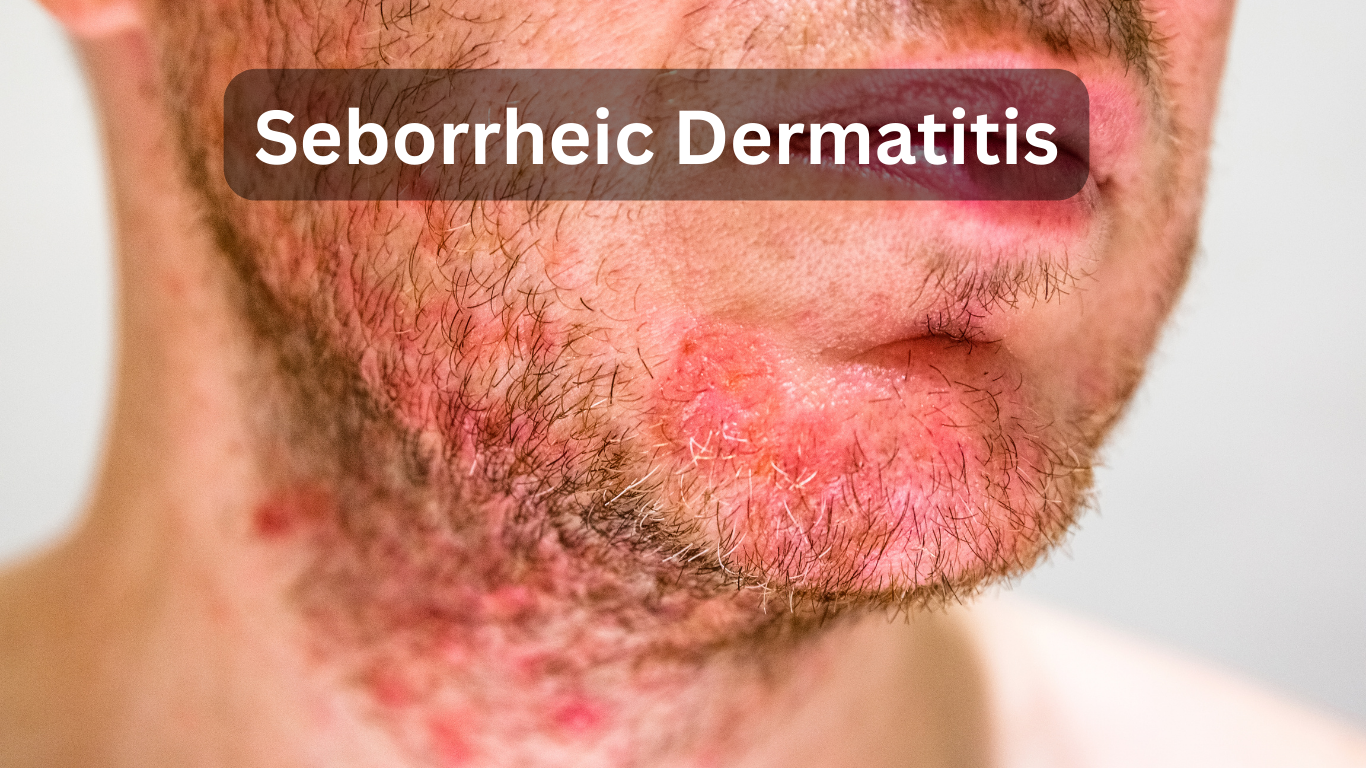
Seborrheic dermatitis is a recurrent inflammatory skin disorder linked to an overreaction of the immune system to Malassezia, a yeast that naturally lives on the skin. Oilier areas of the skin tend to be more affected, which is why the scalp and central face are the most common sites. The condition is characterized by:
• Fine or thick white/yellow flakes
• Redness and irritated skin
• Greasy or waxy patches, sometimes with mild itching
It often worsens in cold weather, during periods of stress, or after illness.
Where can Seborrheic Dermatitis manifest?
- Scalp Seborrheic Dermatitis: This is the most common form, characterized by flakes on the scalp and sometimes accompanied by itching.
- Facial Seborrheic Dermatitis: This type affects the face, particularly the eyebrows, sides of the nose, and areas around the mouth. It presents as redness, scaling, and sometimes greasy patches.
- Seborrheic Dermatitis of the Body: This less common form can affect the chest, back, and other parts of the body with oil glands, causing similar symptoms.
Primary Causes of Seborrheic Dermatitis
The exact cause of seborrheic dermatitis remains unclear, but several factors likely play a role:
- Yeast Overgrowth: Malassezia, a yeast that normally lives on the skin, may contribute to seborrheic dermatitis when it grows excessively.
- Hormonal Changes: Hormonal fluctuations, especially those related to puberty, pregnancy, or certain medical conditions, can trigger or worsen seborrheic dermatitis.
- Genetics: A family history of seborrheic dermatitis or related conditions can increase the likelihood of developing the condition.
- Environmental Factors: Cold, dry weather, or other environmental factors can exacerbate symptoms.
Where Seborrheic Dermatitis Appears
Scalp – The most common form (dandruff); itching, flaking, and occasional redness
Face – Eyebrows, nasolabial folds, beard area – typically red, scaly, and greasy
Chest & Back – Less common but presents with similar red/greasy patches
Who Gets Seborrheic Dermatitis?
It can affect individuals of all ages, but it is more common in:
- Infants: Often called cradle cap, affecting newborns.
- Adults: Particularly those between 30 to 60 years old.
- Individuals with certain other medical conditions: People with neurological disorders (such as Parkinson’s disease), HIV/AIDS, or those recovering from stressful medical conditions are more prone to seborrheic dermatitis.
Treatment Guide
Seborrheic dermatitis requires a multifaceted approach to effectively manage symptoms and reduce flare-ups. Treatment strategies involve general measures to promote skin health, specific topical therapies tailored to affected areas, and specialized care for infants experiencing cradle caps.
General Care
- Gentle Skin Care:
- Use mild, fragrance-free cleansers to wash affected areas gently.
- Avoid harsh soaps or vigorous scrubbing, which can aggravate symptoms.
- Moisturization:
- Apply moisturizers regularly to keep the skin hydrated and reduce scaling.
- Choose non-comedogenic (non-pore-clogging) products suitable for sensitive skin.
- Avoid Triggers:
- Identify and avoid triggers to the best of your ability-such as stress, cold weather, or certain skincare products that exacerbate symptoms.
- Healthy Lifestyle:
- Maintain a balanced diet rich in fruits, vegetables, and omega-3 fatty acids, which can support skin health.
- Exercise regularly and manage stress to help reduce inflammation.
Specific Measures
- Topical Antifungals:
- Over-the-counter or prescription creams containing antifungal agents like ketoconazole, ciclopirox, or terbinafine can help reduce yeast overgrowth.
- Apply as directed by a healthcare provider to affected areas.
- Topical Corticosteroids:
- For moderate to severe cases, doctors may prescribe corticosteroid creams or ointments to reduce inflammation and itching.
- Use sparingly and under medical supervision due to potential side effects with prolonged use.
- Topical Non-Steroidal Anti-inflammatory Drugs:
- Topical medications containing calcineurin inhibitors, like tacrolimus or pimecrolimus, help reduce inflammation. Use it for areas where steroids are not recommended, like the face, ears, and eyelids.
Management in Infants
- Gentle Cleansing:
- Use a soft brush or cloth to gently massage the baby’s scalp with a mild shampoo.
- Avoid picking or scratching the scales, this leads to irritation and infection.
- Baby Oil or Petroleum Jelly:
- Apply a small amount of baby oil or petroleum jelly to the affected areas to soften the scales before gently removing them with a brush or cloth.
- Consult a dermatologist before using any topical treatments on infants.
In addition to these treatment measures, follow up with a healthcare provider regularly to monitor progress and adjust the treatment plan as needed.
The Lucid Recommendation:
Because seborrheic dermatitis can mimic conditions like psoriasis or contact dermatitis, we take a diagnostic-first approach. Our providers gather a detailed history, assess potential allergic components, and tailor treatment accordingly. Therapy is adjusted based on response, not a one-size-fits-all protocol — which is critical for long-term control and patient comfort.
Conclusion
In conclusion, seborrheic dermatitis is a chronic inflammatory skin condition driven by an abnormal response to yeast on the skin, excess sebum production, and environmental or hormonal triggers. While it most commonly appears as dandruff on the scalp, it frequently affects the face (eyebrows, nose, beard area) and can extend to the chest and back. The symptoms—scaling, redness, itching, and greasy patches—can fluctuate over time and often worsen in colder weather or during periods of stress.
Effective management requires a combination of:
• Antifungal treatments to reduce yeast overgrowth
• Anti-inflammatory agents (corticosteroids or calcineurin inhibitors) to control flare-ups
• Daily gentle skincare practices to protect the skin barrier
• Lifestyle adjustments that reduce inflammation and help maintain stable skin function
Because the presentation can overlap with conditions like psoriasis or allergic contact dermatitis, accurate diagnosis is essential. A provider can tailor treatment based on the affected area, severity of symptoms, and patient response. Long-term control is achievable, but maintenance therapy and avoidance of personal triggers are key to preventing recurrences.
Frequently Asked Questions
- Is Seborrheic Dermatitis Contagious?
- No, it is not contagious. It is a chronic skin condition that develops due to various factors affecting the skin’s immune response, oil production, and yeast colonization.
- How is Seborrheic Dermatitis Different from Dandruff?
- Seborrheic dermatitis and dandruff (seborrheic dermatitis of the scalp) are closely related conditions. Dandruff is a milder form of seborrheic dermatitis that primarily affects the scalp, causing flaking and itching. Seborrheic dermatitis can affect other areas of the body besides the scalp, such as the face, ears, chest, and back. It may present with more widespread symptoms including redness and greasy patches.
- Can Seborrheic Dermatitis Be Cured?
- Seborrheic dermatitis is a chronic condition that tends to be recurrent, with periods of flare-ups and remission. While it cannot be cured permanently, symptoms can be managed effectively with proper treatment and lifestyle modifications. Treatment aims to control symptoms, reduce inflammation, and prevent flare-ups.