
Introduction
If you’ve noticed stubborn dark patches across your cheeks, forehead, or upper lip that don’t fade with drugstore creams or concealers, you may be dealing with melasma. This chronic pigmentation disorder is one of the most common conditions treated in dermatology practices, especially among women between 20 and 40. While melasma doesn’t cause any medical harm, it can be emotionally frustrating and difficult to treat without professional guidance.
At Lucid Dermatology, we see melasma patients daily. Our providers specialize in identifying triggers, tailoring treatments, and helping patients manage flare-ups for clearer, more even-toned skin.
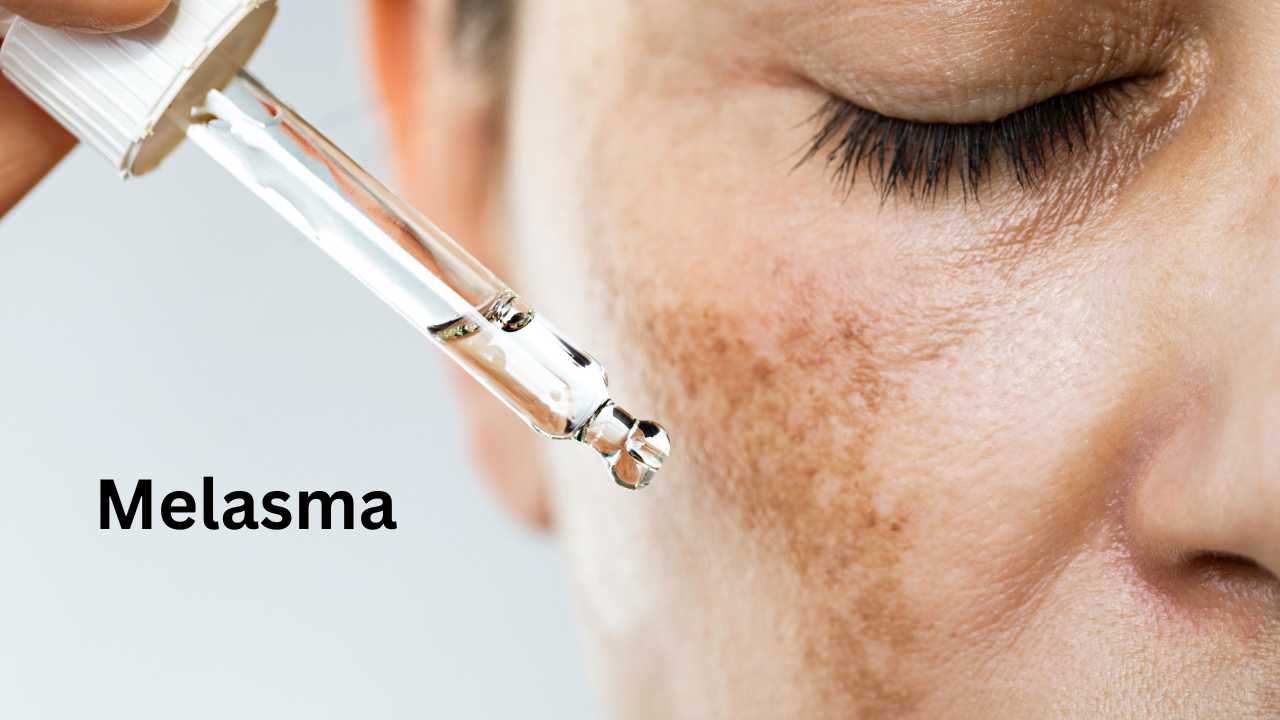
What Is Melasma?
Melasma is caused by overactive melanocytes—the pigment-producing cells in the skin. When these cells release excess melanin, blotchy, darkened patches appear, often symmetrically across the face. While most common on the cheeks, forehead, nose, and upper lip, melasma can also occur on sun-exposed areas like the forearms and neck (American Academy of Dermatology).
The condition is chronic and cyclical. Even after successful treatment, melasma can return if triggers—like UV exposure or hormonal changes—aren’t managed.
Who Gets Melasma and Why
Melasma can affect anyone, but certain factors make it more likely:
- Women in their 20s–40s – hormonal fluctuations during pregnancy, oral contraceptive use, or hormone therapy are major triggers.
- Medium to darker skin tones – people with Fitzpatrick skin types III–VI are more susceptible.
- Ethnic background – higher prevalence in Hispanic, Asian, Middle Eastern, and African individuals.
- Family history – genetics increase the risk.
- Sun exposure – UV radiation is the number-one factor for triggering and worsening melasma (Mayo Clinic).
- Medications and skincare products – some increase photosensitivity or cause irritation that worsens pigmentation.
- Thyroid disorders – research suggests a possible link in certain patients (PubMed).
How Dermatologists Diagnose Melasma
Most cases can be diagnosed visually during a consultation. At Lucid, we may also use a Wood’s lamp exam, which uses ultraviolet light to reveal the depth of pigmentation. If pigment is located in the upper skin layers (epidermal melasma), it typically responds better to treatment. If it’s deeper (dermal melasma), improvement may be slower.
Occasionally, a skin biopsy is performed to rule out other pigmentation disorders, though this is uncommon.
Treatment Options for Melasma at Lucid Dermatology
There is no single “cure” for melasma. Successful treatment requires a multifaceted, ongoing plan combining medical therapy, in-office procedures, and preventive care.
Prescription Topicals
Topical therapy is the cornerstone of melasma treatment:
- Hydroquinone (HQ): A gold-standard depigmenting agent that inhibits melanin production (AAD).
- Tretinoin: Increases skin turnover, helping fade pigmentation more quickly.
- Corticosteroids: Sometimes combined with HQ and tretinoin to enhance results and reduce irritation.
- Alternative agents: Azelaic acid, kojic acid, and vitamin C are often added for maintenance or in patients who cannot tolerate hydroquinone.
At Lucid, our providers frequently prescribe custom compounded creams that combine multiple active ingredients in one prescription—giving patients stronger, more effective results than OTC products.
Chemical Peels
We offer chemical peels that safely remove the upper layers of skin, encouraging new, evenly pigmented skin to form. For melasma, our providers often recommend a series of gentle peels every two weeks for gradual improvement.
For patients preparing for a wedding, photoshoot, or other big event, our medical aesthetician can perform stronger peels designed for faster results. These may yield noticeable improvement after one or two sessions, though downtime and peeling can vary.
Laser and Light Therapies
Certain light-based treatments (such as IPL or fractional lasers) can help break up pigment, but they’re not always first-line therapies. Melasma can sometimes rebound after laser treatment, so at Lucid we use these options selectively, based on skin type and history.
Microneedling
Microneedling can improve absorption of topical agents and stimulate collagen. While not a stand-alone solution for melasma, it can be useful as part of a broader plan.
Oral Medications
In resistant cases, oral tranexamic acid has shown significant promise in reducing pigmentation (PubMed). This option requires careful selection and monitoring, and Lucid providers can determine if it’s appropriate.
Long-Term Management and Maintenance
Melasma is a chronic condition—maintenance is just as important as initial treatment. At Lucid, we build long-term plans for every patient that emphasize prevention and consistency.
- Sun Protection: Daily use of a broad-spectrum SPF 30+ sunscreen is essential. Reapply every two hours when outdoors.
- Protective Habits: Hats, sunglasses, and shade help reduce flare-ups.
- Ongoing Topical Therapy: Even after pigmentation improves, maintenance creams (HQ alternatives, azelaic acid, or vitamin C) are recommended.
- Regular Visits: Follow-up appointments allow us to monitor progress, adjust treatments, and prevent recurrences.
What Results to Expect
Patients often ask how quickly they’ll see results. The answer depends on skin type, severity, and chosen treatment.
- Some notice improvement in 4–6 weeks, especially with prescription creams.
- Most require several months of consistent therapy for significant improvement.
- Maintenance is key—without it, melasma almost always returns.
At Lucid, we set clear expectations from the start. We focus on progress, not perfection: melasma can be controlled and minimized, but ongoing care is necessary.
Why Choose Lucid Dermatology
The difference at Lucid isn’t just the treatments we provide—it’s how we personalize care. Our providers:
- Use diagnostic tools like Wood’s lamp to assess pigment depth.
- Prescribe compounded topical formulations tailored to each patient.
- Offer both gentle maintenance peels and advanced options for faster results.
- Educate patients on sunscreen, skincare routines, and prevention—because without protection, results won’t last.
- Adjust treatment strategies based on each patient’s response, ensuring long-term success.
If you’ve struggled with melasma on your own, it’s time to see an expert. Schedule a consultation with Lucid Dermatology and let us design a plan that works for your skin, lifestyle, and goals.