
Ever wish you could rewind the clock on your skin? While time travel might still be fiction, chemical peels offer a powerful approach to achieving a youthful and radiant complexion. These treatments utilize carefully chosen chemical solutions to gently remove the top layers of skin, encouraging the growth of new, smoother, and healthier cells. From addressing fine lines and wrinkles to tackling acne scars and hyperpigmentation from sun damage, chemical peels offer a range of benefits for various skin concerns.
What are chemical peels and how do they work?
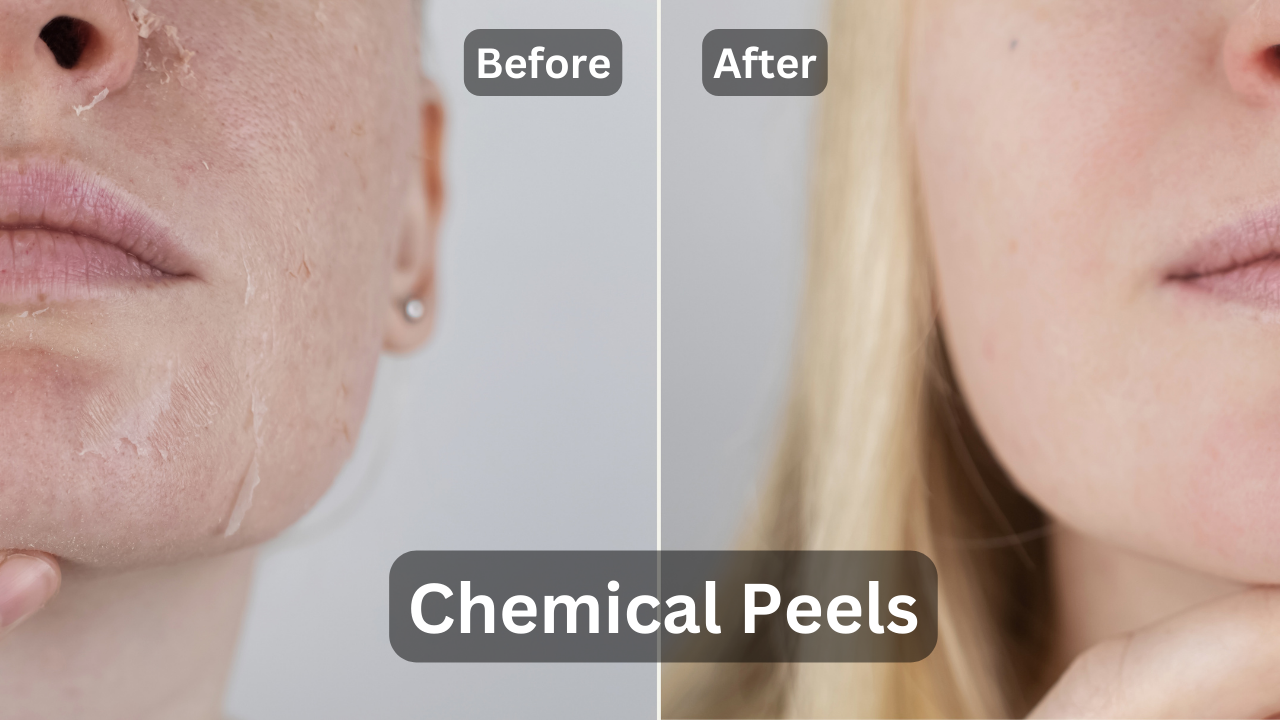
Imagine a controlled exfoliation process that goes beyond the surface, revealing a new layer of skin underneath. This is the essence of a chemical peel. A carefully chosen chemical solution is applied to the skin, causing controlled damage to the older top layer and triggers the regeneration process. As the treated layers peel off, smoother, younger-looking skin takes their place.
Types of Chemical Peels
Chemical peels come in a spectrum of strengths, each targeting different depths of the skin and addressing various concerns:
- Superficial Peels: These gentle peels utilize alpha hydroxy acids (AHAs) like glycolic acid or lactic acid, or beta hydroxy acids (BHAs) like salicylic acid. They primarily target the outermost layer (epidermis) and are ideal for addressing sun damage, mild acne, and uneven skin tone.
- Medium Peels: Utilizing trichloroacetic acid (TCA) or Jessner’s solution, these peels penetrate deeper into the epidermis, reaching the upper dermis. They effectively address fine lines, wrinkles, acne scars, and uneven pigmentation.
- Deep Peels: Reserved for severe sun damage, deep wrinkles, and precancerous lesions, these peels use phenol or Baker-Gordon solution and reach the deepest layers of the dermis. Due to their significant impact, they require meticulous expertise and involve longer recovery times.
What concerns can chemical peels address and how?
Chemical peels offer solutions for a range of skin imperfections, including:
- Acne and acne scarring: Chemical peels reduce breakouts and fade scars by cleansing pores and boosting collagen.
- Uneven skin tone and hyperpigmentation: Peels lighten dark spots and promote even complexion through exfoliation and increased cell turnover.
- Fine lines and wrinkles: They tighten skin, smooth lines, and stimulate collagen for a youthful look.
- Sun damage and photoaging: Peels can reverse sunspots and roughness, revealing healthier skin layers.
- Rough texture and dullness: Exfoliation removes dead cells, unveiling smoother, radiant skin.
- Enlarged pores: Peels clear debris, oil, and tighten pores for a refined texture.
- Melasma: By reducing excess melanin and renewing cells, peels fade melasma patches.
- Rough skin on hands and body: soften and rejuvenate skin on hands, chest, and other areas.
- Preventive anti-aging: stimulate collagen and maintain skin health to ward off signs of aging.
- Overall skin rejuvenation: refresh skin texture, tone, and appearance, providing a revitalized look through increasing collagen production and increased cell turnover to create a youthful glow.
How do Chemical Peels Work?
Chemical peels work through a process called chemical exfoliation. The chemical solution applied during the procedure induces controlled injury to the skin, prompting the body’s natural healing response. This leads to the shedding of the outermost layer of skin, known as the epidermis, and stimulates the production of new, healthier skin cells. The depth and intensity of the peel depend on the type of chemical solution used and the specific needs of the patient.
Who is a Good Candidate for a Chemical Peel?
While generally safe for various skin types, chemical peels are not suitable for everyone. Consulting a board-certified dermatologist is crucial to determine if you’re a good candidate. They will assess your individual needs, skin type, medical history, and potential risk factors.
Deep Chemical Peels: Understanding the Most Intensive Option
Deep chemical peels, considered the most potent amongst their counterparts, offer dramatic results for specific skin concerns. However, their intensity necessitates thorough understanding before proceeding.
Reaching Deep Layers
Unlike superficial and medium peels that target the outer layers of the skin (epidermis and upper dermis), deep peels penetrate the deepest layer of the dermis. This profound reach allows them to address severe concerns that milder peels cannot.
Extended Recovery and Potential Side Effects
Deep peels have the longest recovery time of all chemical peels, potentially lasting several weeks. During this time, significant post-procedural care is crucial for optimal healing. While generally safe when performed by a qualified professional, deep peels carry a higher risk of side effects compared to other peels, including:
- Scarring: Improper aftercare can increase the risk of scarring.
- Infection: Meticulous wound care is essential to minimize infection risk.
- Allergic reactions: While uncommon, allergic reactions to the peel solution can occur.
- Skin lightening or darkening: This is a potential side effect, especially for individuals with darker skin tones. It is imperative to consistently use and reapply sunscreen to minimize this risk.
Frequently Asked Questions about Chemical Peels
1. What are the side effects of chemical peels?
Temporary side effects can occur, depending on the peel depth. These may include redness, stinging, peeling, and crusting. More serious side effects, though rare, can include scarring, infection, and allergic reactions. Discussing potential risks with your clinician is vital.
2. How long does the procedure take?
The duration varies depending on the peel depth and the treated area. Superficial peels take minutes, while medium peels can last 30-60 minutes. Deep peels are more extensive and require longer procedures.
3. What is the recovery time after a chemical peel?
Recovery time is directly linked to the peel depth. Superficial peels involve minimal downtime, while medium peels may require several days for complete healing. Deep peels have the longest recovery times, potentially lasting several weeks.
4. What precautions should I take after a chemical peel?
Sun protection is paramount, as the new skin is highly sensitive to sunlight. Strict adherence to your dermatologist’s aftercare instructions, including gentle cleansing and moisturizing, is crucial for optimal healing.
5. Are there any risks or side effects associated with chemical peels?
While chemical peels are generally safe when performed by a qualified professional, there are risks and potential side effects to consider. These may include temporary redness, swelling, peeling, changes in skin pigmentation, infection, scarring, and allergic reactions. Deep peels carry a higher risk of complications and should only be performed by experienced dermatologists.
Remember: Chemical peels are medical procedures requiring consultation with a qualified dermatologist. This comprehensive guide empowers you with essential information, but a personalized consultation remains vital for making informed decisions about your skin health journey.
Additional Tips
- Sun protection is essential: After a chemical peel, your skin is highly sensitive to sunlight. Consistent use of sunscreen with SPF 30 or higher is crucial to prevent further damage and hyperpigmentation.
- Maintain a good skincare routine: Following a gentle skincare routine recommended by your dermatologist can further enhance your results and promote optimal skin health.
- Be patient: Healing and improvement take time. Be patient with the process and trust your dermatologist’s guidance.
Lucid Approach
At Lucid, we provide a range of chemical peels tailored to individual needs. We offer options that are eligible for insurance coverage, as well as more intensive formulations. For optimal outcomes, we advise bi-weekly sessions for our gentler peels. While certain milder peels are available for online purchase, our clinic also offers stronger formulations administered by our skilled medical esthetician, recommended for less frequent application on a maintenance basis.