
Popping pimples might seem like a quick fix to get rid of an unsightly blemish, but it can lead to a host of problems that are far worse than the original pimple. From infection risks to long-term scarring, there are numerous reasons why you should resist the urge to squeeze. Here, we delve into the dangers of pimple popping, explore the science behind acne, and offer healthier alternatives for dealing with breakouts.
Understanding Acne: The Basics
Acne is a common skin condition when hair follicles become clogged with oil and dead skin cells. It manifests in several forms:
- Whiteheads: Closed clogged pores.
- Blackheads: Open clogged pores that turn dark due to oxidation.
- Papules: Small red, tender bumps.
- Pustules: Papules with pus at their tips.
- Nodules: Large, solid, painful lumps beneath the surface of the skin.
- Cysts: Deep, painful, pus-filled lumps beneath the surface of the skin.
Causes of Acne
Acne is primarily caused by:
- Excess oil (sebum) production
- Hair follicles are clogged by oil and dead skin cells
- Bacteria
- Inflammation
Factors that can exacerbate acne include hormonal changes, certain medications, diet, and stress.
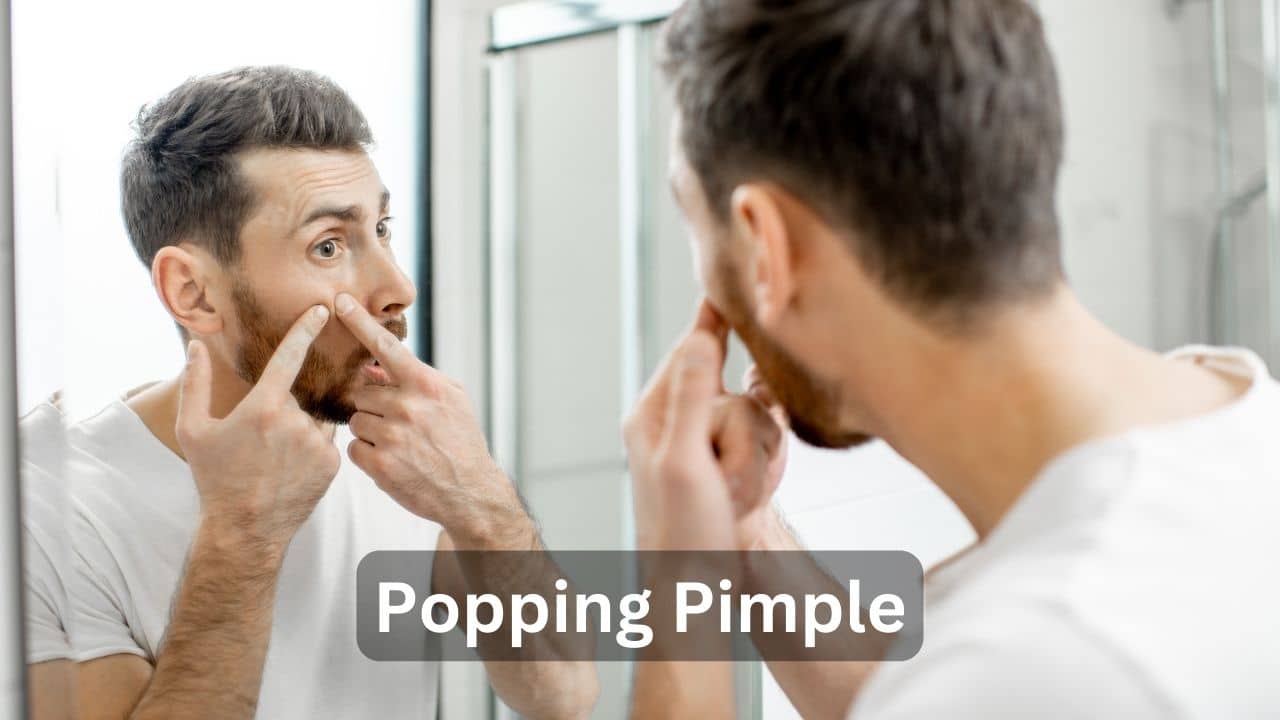
The Hidden Dangers of Pimple Popping
1. Risk of Infection
When you pop a pimple, you’re essentially creating an open wound on your skin. This wound is susceptible to bacteria from your fingers and the surrounding environment, which can lead to infections. Staphylococcus aureus and Streptococcus pyogenes are common bacteria that can infect the skin, causing conditions like cellulitis, impetigo, or abscesses. In severe cases, these infections can spread, requiring medical intervention and potentially leading to serious health complications.
2. Scarring and Hyperpigmentation
One of the most common consequences of pimple popping is scarring. When you squeeze a pimple, you damage the skin and the tissues beneath it. This can result in permanent scars, such as:
- Ice pick scars: Deep, narrow scars.
- Boxcar scars: Broad depressions with sharply defined edges.
- Rolling scars: Broad depressions with a sloping edge.
In addition, popping pimples can lead to post-inflammatory hyperpigmentation, which are dark spots that remain on the skin long after the pimple has healed. These marks are more noticeable and harder to treat than the original pimple.
3. Worsening the Breakout
Popping a pimple doesn’t always remove all the pus and bacteria. It can push some of it deeper into the skin, leading to more inflammation and potentially causing more pimples to form around the initial site. This can turn a minor breakout into a more significant skin issue, making it harder to control and treat effectively.
4. Delayed Healing
The natural healing process of your skin is disrupted when you pop a pimple. This can result in a longer recovery time, leaving you with a red, inflamed spot that lasts much longer than if you had left the pimple alone. The skin needs time to repair itself, and interfering with this process can lead to prolonged healing and more noticeable marks.
5. Spreading Bacteria
Squeezing a pimple can cause the bacteria inside it to spread to other pores, leading to more breakouts. This is particularly true for cystic acne, where the infected material can easily spread under the skin and cause new pimples to form. This can create a cycle of breakouts that become increasingly difficult to manage.
Healthier Alternatives to Pimple Popping
Instead of popping pimples, consider these safer, more effective methods to manage acne:
1. Topical Treatments
Over-the-counter treatments containing ingredients like benzoyl peroxide, salicylic acid, or retinoids can help reduce inflammation and clear up pimples. These treatments work by killing bacteria, unclogging pores, and promoting skin cell turnover. Here are some common ingredients to look for:
- Benzoyl Peroxide: Kills acne-causing bacteria and helps clear pores.
- Salicylic Acid: Helps exfoliate the skin and unclog pores.
- Retinoids: Promote skin cell turnover and prevent clogged pores.
2. Prescription
If you’re struggling with persistent acne, it’s worth visiting a dermatologist. They can offer professional advice and prescribe stronger medications that aren’t available over the counter.
- Oral antibiotics: Reduce bacteria and inflammation.
- Retinoids: Help clear severe acne, and they come in different forms and strengths depending on the severity of your condition.
- Hormonal treatments: Regulate hormone levels in women with acne.
3. Proper Skincare Routine
Maintaining a consistent skincare routine can help prevent acne. This includes cleansing your face twice daily with a gentle cleanser, using non-comedogenic moisturizers, and applying sunscreen daily to protect your skin. Here’s a basic skincare routine:
- Cleanser: Use a mild, non-comedogenic cleanser to remove dirt and oil.
- Moisturizer: Keep your skin hydrated with a non-comedogenic moisturizer.
- Sunscreen: Protect your skin from UV damage with a broad-spectrum sunscreen.
5. Professional Health
While some people can manage their pimples at home, others may require additional professional assistance. Visiting a dermatologist ensures that you receive comprehensive, effective care for managing acne, helping you achieve clearer, healthier skin. Here are some possible treatments done by dermatology experts:
- Professional Extractions: Dermatologists can safely and effectively perform extractions to remove stubborn pimples and blackheads, reducing the risk of scarring and infection.
- Cortisone Injections: For painful, cystic acne, dermatologists can inject cortisone directly into the cyst. This can quickly reduce inflammation and shrink the pimple within a day or two.
- Chemical Peels: Dermatologists can perform chemical peels that exfoliate the skin, unclog pores, and promote new skin growth. This can help improve the overall texture and appearance of your skin.
- Laser and Light Therapies: Advanced treatments like laser therapy and photodynamic therapy can target and reduce acne-causing bacteria, decrease oil production, and improve skin tone.
6. Healthy Lifestyle Choices
Diet, hydration, and stress management play crucial roles in skin health. Eating a balanced diet, drinking plenty of water, and managing stress through activities like yoga or meditation can help keep your skin clear. Here are some tips:
- Diet: Eat a diet rich in fruits, vegetables, and lean proteins. Avoid excessive sugar and dairy, which can exacerbate acne.
- Hydration: Drink plenty of water to keep your skin hydrated.
- Stress Management: Practice stress-reducing activities like meditation, exercise, or deep breathing.
Our Beliefs
While it might be tempting to pop a pimple for quick relief, the long-term consequences far outweigh the short-term satisfaction. At Lucid Dermatology, understanding the risks and adopting healthier skincare habits are crucial for maintaining clearer, healthier skin. Patience and proper care are your best allies in the battle against acne.
Instead of resorting to pimple popping, focus on preventive measures and professional treatments that address the root causes of acne and promote overall skin health. If a pimple ever becomes painful or needs to be extracted, it’s important to see a professional to ensure it doesn’t worsen over time.
At Lucid Dermatology, we emphasize:
Prevention Over Popping: Adopting a consistent skincare routine with products suited to your skin type can help prevent breakouts.
Professional Care: Seeking professional treatments such as extractions, cortisone injections, and chemical peels can safely and effectively manage acne without damaging the skin.
Long-Term Skin Health: Our approach focuses on long-term solutions promoting overall skin health, rather than quick fixes leading to scarring and other complications.
You can achieve and maintain healthy, clear skin by following these principles. Remember, professional guidance and a mindful skincare regimen are key to winning the battle against acne.