
Introduction
In the quest for flawless skin, the beauty industry offers a plethora of products designed to cater to every skin type and concern. Among these, hydrating serums and moisturizers are two fundamental components of any skincare regimen. Both aim to hydrate and nourish the skin, yet they do so in distinct ways. Understanding their differences, benefits, and how to choose the right products for your skin can significantly impact your skincare results.
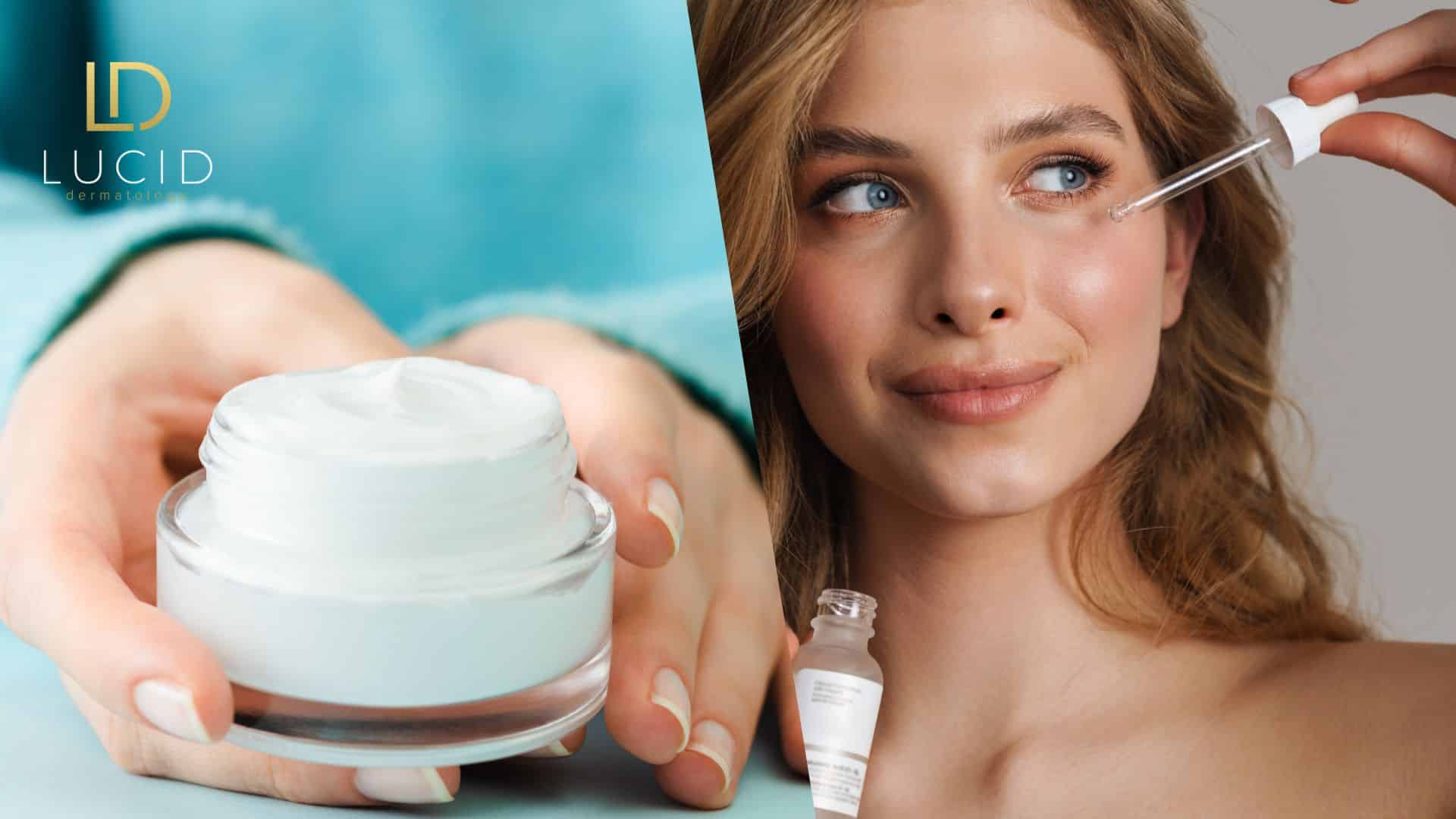
What Are Hydrating Serums?
Hydrating serums are lightweight, fast-absorbing liquids formulated to deliver high concentrations of active ingredients directly into the skin. They are designed to penetrate deeper into the skin layers, providing intense hydration and addressing specific skin concerns such as fine lines, wrinkles, and uneven texture.
Uses and Benefits of Hydrating Serums
- Deep Hydration: Serums often contain hyaluronic acid, which can hold up to 1,000 times its weight in water, ensuring your skin remains plump and hydrated.
- Targeted Treatments: They can be formulated with various active ingredients like vitamins C and E, peptides, and antioxidants to target specific issues like aging, pigmentation, and dullness.
- Lightweight Texture: The lightweight formula allows for quick absorption without leaving a greasy residue, making it suitable for layering under other skincare products.
How to Apply Hydrating Serums
- Cleanse: Start with a clean face to remove any impurities and excess oil with a gentle cleanser.
- Tone: This is an optional step, but if this is a part of your regimen, apply toner to balance the skin’s pH levels.
- Serum: Dispense a few drops of the serum onto your fingertips and gently pat it onto your face and neck. Avoid rubbing to ensure maximum absorption.
- Moisturize: Follow up with a moisturizer to lock in the serum’s benefits.
- Sunscreen: In the morning, finish with a broad-spectrum sunscreen.
What Are Moisturizers?
Moisturizers are thicker, creamier formulations designed to create a barrier on the skin’s surface, preventing water loss and keeping the skin hydrated. They come in various forms and consistencies including creams, lotions, and gels, each suited for different skin types.
Uses and Benefits of Moisturizers
- Barrier Protection: They help to create a protective layer on the skin that seals in moisture and shields against environmental stressors.
- Skin Softening: Ingredients like emollients and humectants in moisturizers soften and smooth the skin.
- Versatility: Available for all skin types, from oily to dry, and can be used to address a variety of concerns, such as sensitivity and acne.
How to Apply Moisturizers
- Cleanse: Begin with a clean face to ensure the moisturizer can penetrate properly.
- Tone: Apply toner if part of your routine.
- Serum (optional): If using a serum, apply it before the moisturizer.
- Moisturize: Take a pea-sized amount of moisturizer and apply it evenly over your face and neck. Massage gently until fully absorbed.
- Sunscreen: In the daytime, complete your routine with sunscreen.
Hydrator vs. Moisturizer: What’s the Difference?
Hydrators and moisturizers serve distinct but complementary roles in skincare:
● Hydrator:
- Increases water content in the skin.
- Contains humectants like hyaluronic acid and glycerin.
- Lightweight, penetrates deeply for intense hydration.
- Ideal for plumping and reducing fine lines.
● Moisturizer:
- Creates a barrier to lock in moisture and can also contain humectants.
- Contains emollients and occlusive like oils and butters.
- Thicker consistency for surface protection.
- Prevents water loss and softens the skin.
Understanding these differences helps in choosing the right product to maintain optimal skin hydration and health.
How to Choose the Right Skin Products
Choosing between hydrating serums and moisturizers or deciding to use both depends on your skin type and specific concerns.
For Dry Skin
- Serum: Look for hydrating serums with hyaluronic acid, glycerin, and ceramides.
- Moisturizer: Opt for richer creams that provide long-lasting hydration and barrier protection.
For Oily Skin
- Serum: Choose lightweight, non-comedogenic serums with ingredients like niacinamide.
- Moisturizer: Gel-based or oil-free moisturizers are ideal to avoid clogging pores.
For Combination Skin
- Serum: A balanced serum that hydrates without adding excess oil.
- Moisturizer: Use a lighter moisturizer on oily areas and a richer one on dry patches.
For Sensitive Skin
- Serum: Select gentle, fragrance-free serums with calming ingredients like chamomile and aloe vera.
- Moisturizer: Look for hypoallergenic, fragrance-free moisturizers.
Do You Need to Use Both Face Serum and Moisturizer?
Using both a face serum and a moisturizer can significantly enhance your skincare routine. Serums deliver high concentrations of active ingredients deep into the skin to target specific concerns like hydration, aging, or pigmentation. Moisturizers, on the other hand, create a protective barrier on the skin’s surface to lock in moisture and shield against environmental stressors. While a serum provides targeted treatment, a moisturizer ensures long-lasting hydration and protection. Therefore, incorporating both products can provide comprehensive skincare benefits, resulting in healthier, more radiant skin.
Frequently Asked Questions (FAQs)
1. Can I use both a hydrating serum and a moisturizer?
Yes, using both can provide optimal hydration and nourishment. Apply the serum first, followed by the moisturizer to lock in the benefits.
2. Can oily skin benefit from a hydrating serum?
Absolutely. Hydrating serums are typically lightweight and can hydrate without adding oil, making them suitable for oily skin.
3. How often should I use a hydrating serum and a moisturizer?
Both can be used daily. Ideally, apply them twice a day—morning and night—for consistent hydration.
4. Can I skip the moisturizer if I’m using a hydrating serum?
It depends on your skin type and needs. While a serum can provide deep hydration, a moisturizer helps to keep moisture on the skin and prevent transepidermal water loss thus protecting your skin barrier, making it a crucial step for most skin types.
Conclusion
Hydrating serums and moisturizers each play unique roles in skin care, offering distinct benefits that can be tailored to your skin’s specific needs. By understanding their uses, benefits, and how to apply them effectively, you can create a skincare regimen that keeps your skin healthy, hydrated, and radiant. Remember, the key to choosing the right products lies in knowing your skin type and concerns, allowing you to select formulations that will best support your skincare goals. At Lucid Dermatology we provide recommendations that are suitable for your skin and help you distinguish between dry skin and other underlying skin issues to help you achieve hydrated, healthy skin.