
Introduction
In the quest for flawless skin, we often encounter various treatments and procedures promising miraculous results. However, amidst the multitude of options, microneedling has emerged as a popular and effective technique in the realm of dermatology. This minimally invasive procedure has gained traction for its ability to address a plethora of skin concerns, from acne scars to stretch marks.
What is Microneedling?
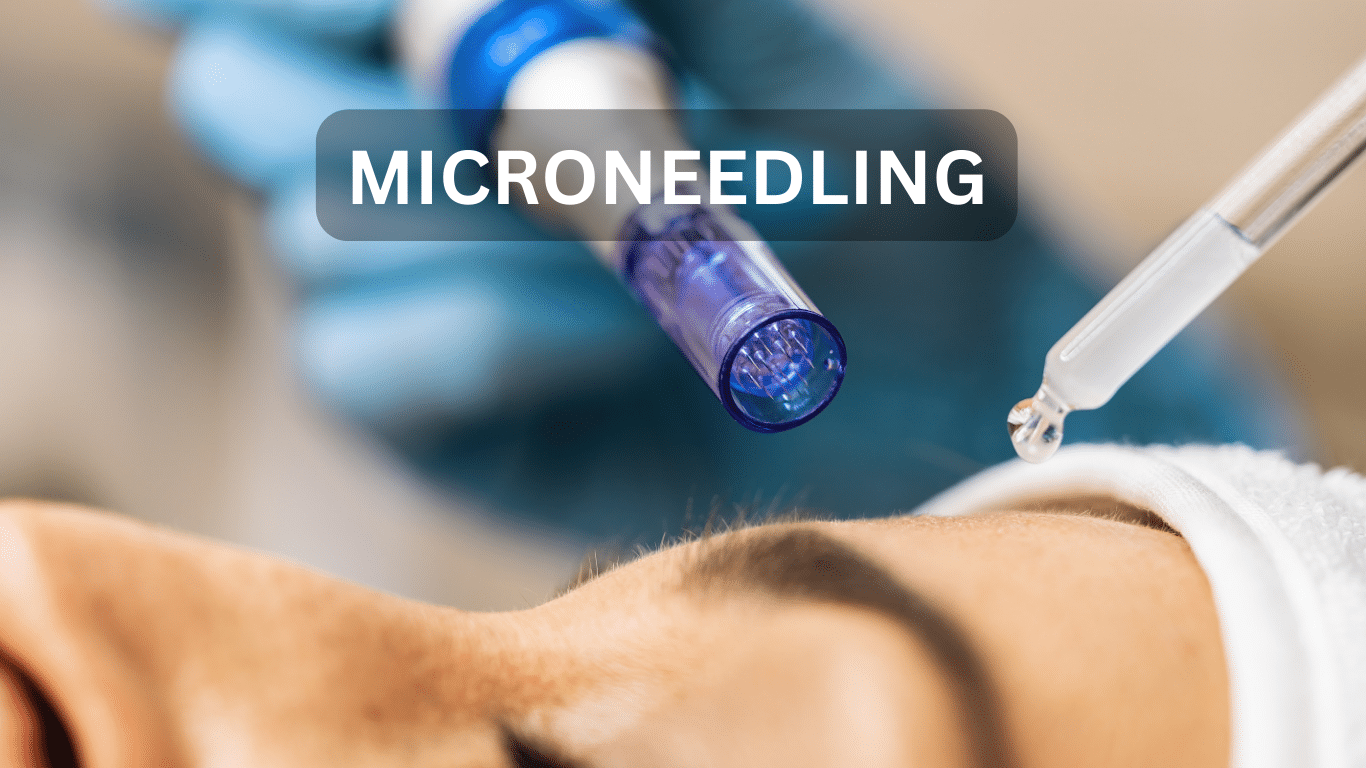
Microneedling, also known as collagen induction therapy, is a cosmetic procedure that involves the use of a device equipped with fine needles to create controlled micro-injuries through the skin’s surface. These micro-injuries stimulate the skin’s natural healing process, triggering the production of collagen and elastin, two essential proteins responsible for maintaining skin elasticity and firmness.
What is Microneedling Good for?
Microneedling is a versatile treatment that can address an array of skin concerns, including:
- Acne scars: Microneedling helps to diminish the appearance of acne scars by promoting collagen production and encouraging skin regeneration.
- Stretch marks: This procedure can effectively reduce the appearance of stretch marks by improving skin texture and elasticity.
- Fine lines and wrinkles: Microneedling helps to smooth out fine lines and wrinkles, resulting in a more youthful complexion, also as a result of the collagen inducing abilities of the procedure.
- Hyperpigmentation: By promoting even skin tone and reducing melanin production, It can help fade hyperpigmentation and dark spots.
- Enlarged pores: Microneedling can minimize the size of enlarged pores, leading to smoother and more refined skin texture.
- Uneven skin texture: This procedure can improve overall skin texture, making it smoother and more uniform.
- Scars: It can help fade various types of scars, including those surgical/traumatic in nature, including “boxcar” or “ice pick” scars
Types of Microneedling:
Microneedling techniques can vary based on the device used and the depth of needle penetration. Some common types of micro-needling include:
- Derma roller: This handheld device features a rolling drum studded with fine needles and is rolled over the skin to create micro-injuries.
- Microneedling pen: Also known as a derma pen, this device uses a motorized pen-like instrument equipped with adjustable needle lengths to precisely target specific areas of the skin.
- Radiofrequency microneedling: This advanced technique combines microneedling with radiofrequency energy to deliver heat deep into the skin, further stimulating collagen production and tightening the skin.
- Platelet-rich plasma (PRP) microneedling: PRP microneedling involves a combination of application of platelet-rich plasma extracted from the patient’s blood to the skin following microneedling, enhancing the healing process and promoting skin rejuvenation.
What are the Risks of Microneedling?
It’s essential to be aware of these risks before undergoing microneedling treatment. Some potential risks of microneedling include:
- Skin Irritation
- Bruising
- Infection
- Hyperpigmentation
- Scarring
- Allergic Reactions
- Skin Sensitivity
By choosing a reputable provider and following proper pre and post-treatment care instructions, you can minimize the risk of complications and achieve safe and effective results with microneedling.
Microneedling Healing Stages
Here is a step-by-step guide to the micro-needling healing stages:
- Immediate Post-Treatment: Immediately after treatment, you may experience mild redness, swelling, and pinpoint bleeding in the treated areas. This is a normal response to the micro-injuries created during the procedure. Your skin may also feel tight or sensitive.
- First 24-48 Hours: In the first day or two following microneedling, the redness and swelling may intensify, peaking within the first 24 to 48 hours. Some individuals may also develop small scabs or crusts in the treated areas.
- 3-5 Days: By the third-day post-micro needling, the initial redness and swelling should begin to subside. Your skin may still appear slightly pink or flushed, but overall, the inflammation should start to diminish.
- 5-7 Days: Around the fifth to seventh day , most of the visible side effects, such as redness, swelling, and peeling, should resolve. It’s essential to keep the skin well-hydrated and protected during this stage.
- 1-2 Weeks: By the end of the first two weeks post-micro needling, your skin should have largely healed, and any remaining redness or discoloration should fade.
- Long-Term Healing: The full benefits of microneedling will continue to develop over the following weeks to months as collagen remodeling and skin regeneration processes unfold. During this time, you may notice further improvements in skin texture, firmness, and clarity, with results becoming more apparent over time.
How Do You Maximize Microneedling Results?
To maximize micro-needling results and ensure optimal outcomes, it’s essential to follow these tips before, during, and after the procedure:
- Choose a qualified professional.
- After care preparation including use of clean face towels,bed sheets and pillow cases
- Discuss goals and expectations
- Numbing cream prior to minimize pain
- Follow post-treatment care instructions that your provider gives you
- Stay hydrated
- Protect your skin: wide brimmed hats and use of sunscreen will minimize irritation and sensitivity
- Avoid harsh products
- Be patient and be conscious of the normal timeline for improvement
- Follow-up treatments for more noticeable improvement
Conclusion:
Microneedling has revolutionized the field of dermatology, offering a safe, effective, and versatile solution for addressing a wide range of skin concerns. From acne scars to stretch marks, this minimally invasive procedure continues to garner popularity for its ability to promote collagen production, improve skin texture, and deliver long-lasting results. With its numerous benefits and customizable nature, microneedling has rightfully earned its place as a cornerstone in modern skincare and cosmetic dermatology practices. If you’re considering microneedling to rejuvenate your skin and enhance your complexion, consult with a qualified clinician to explore your options and create a personalized treatment plan tailored to your unique needs and goals.
Lucid Approach:
At Lucid Dermatology we evaluate our patients skin on a personalized level, addressing the root cause of scarring, limiting further damage if acne related and discussing the next steps to assisting our patients achieve the skin they desire. Based on our evaluation and stage in acne treatment we will often recommend microneedling with our talented esthetician.