Lucid Dermatology

Types of Acne Scars and Their Effective Treatments

Acne scars can significantly impact one’s appearance and self-esteem. Understanding the different types of acne scars and the most effective treatments for each can help you achieve smoother, clearer skin. Here’s an in-depth guide to the types of acne scars and their effective treatments. 

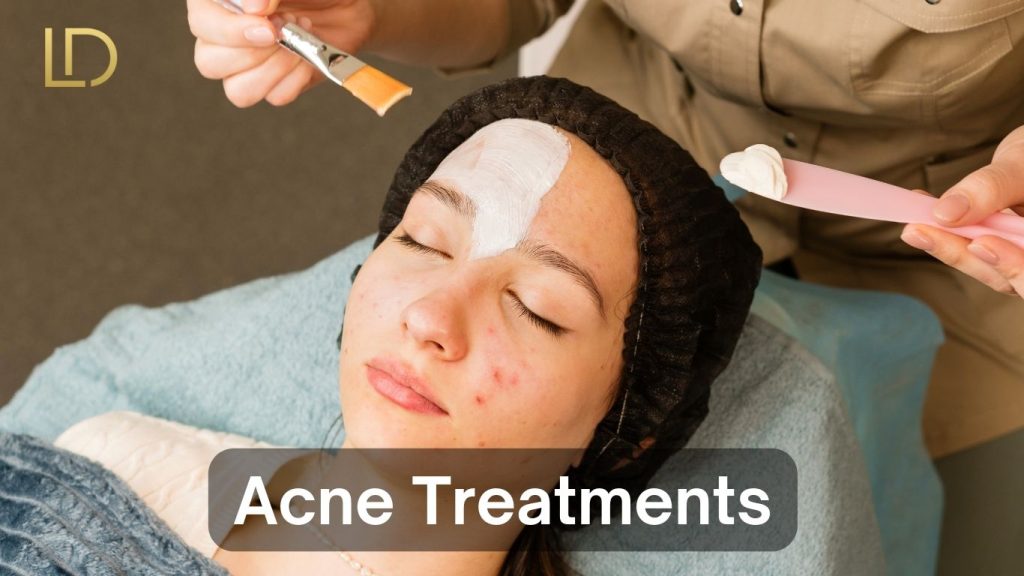
patients showing her acne scars

Types of Acne Scars 

1. Atrophic Scars 

  • Ice Pick Scars: These are deep, narrow scars that penetrate the skin, resembling small holes or indentations, much like the marks left by an ice pick. 
  • Boxcar Scars: These scars are wider and have sharp, defined edges. They are U-shaped and create noticeable depressions in the skin. 
  • Rolling Scars: These scars have broad depressions with sloped edges, giving the skin a wavy or rolling appearance. 

2. Hypertrophic Scars 

  • Raised scars that form above the surface of the skin due to excessive collagen production during the healing process. They are typically confined to the original area of the wound. 

3. Keloid Scars 

  • Similar to hypertrophic scars but more severe in nature, keloid scars extend beyond the original wound area. They are larger, more raised, and can be itchy or painful. 

4. Post-Inflammatory Hyperpigmentation (PIH) 

  • These are dark or discolored spots left on the skin after an acne lesion heals. They are not true scars but are common post-acne marks caused by inflammation. 

Effective Treatments for Acne Scars 

1. Atrophic Scars 

Ice Pick Scars 

  • Microneedling: This treatment uses fine needles to create tiny punctures in the skin. These micro-injuries trigger the body’s wound-healing process, stimulating collagen and elastin production. Over time, this helps to improve the texture and appearance of ice-pick scars.
  • Chemical Peels: Deep chemical peels with agents like trichloroacetic acid (TCA) can penetrate the skin layers to reduce the depth of ice-pick scars. The peel removes the top layer of skin, promoting the growth of new, smoother skin. 
  • Punch Excision: In this minor surgical procedure, the surgeon removes the scar with a punch tool and then closes the wound with stitches, resulting in a smoother appearance after healing.

Boxcar Scars 

  • Laser Therapy: This technique uses laser energy to create micro-columns of treated skin within areas of untreated skin. The treated areas stimulate collagen production and skin renewal, reducing the appearance of boxcar scars. 
  • Dermal Fillers: Injectable fillers, such as hyaluronic acid, can temporarily lift depressed boxcar scars, making them less noticeable. Results can last several months to over a year, depending on the filler used. 
  • Subcision: This procedure involves inserting a needle under the skin to break the fibrous bands that pull the skin down, causing the scar. Once these bands are broken, the skin can lift and smooth out. 

Rolling Scars 

  • Microneedling: Similar to its use for ice-pick scars, microneedling for rolling scars helps promote collagen production and skin renewal, smoothing out the skin’s texture. 
  • Laser Resurfacing: Ablative lasers, such as CO2 and erbium lasers, remove the top layers of skin to promote new skin growth and collagen formation. This treatment can significantly improve the appearance of rolling scars. 
  • Radiofrequency (RF) Microneedling: This combines microneedling with radiofrequency energy, which heats the deeper layers of skin, enhancing collagen remodeling and improving skin texture. 

2. Hypertrophic Scars 

  • Silicone Gel Sheets: You can apply these sheets directly to hypertrophic scars to soften and flatten them over time. They help to hydrate the scar tissue and reduce collagen production. 
  • Steroid Injections: Corticosteroid injections can reduce inflammation and soften hypertrophic scars, making them less raised. Multiple sessions may be required for optimal results.
  • Laser Therapy: Non-ablative lasers, such as pulsed dye lasers (PDL), target the blood vessels within hypertrophic scars, reducing redness and scar size without damaging the surrounding skin. 

3. Keloid Scars 

  • Steroid Injections: Similar to hypertrophic scars, corticosteroid injections can help shrink keloid scars and reduce their raised appearance. This treatment often requires multiple sessions. 
  • Cryotherapy: This involves freezing the keloid scar tissue with liquid nitrogen. Cryotherapy can reduce the size and hardness of keloid scars, often used in conjunction with other treatments like steroid injections. 
  • Surgical Removal: For severe keloids, doctors may perform surgical excision. However, because keloids can recur, they often combine this with other treatments such as steroid injections or radiation therapy to prevent regrowth.

4. Post-Inflammatory Hyperpigmentation (PIH) 

  • Topical Treatments: Ingredients like hydroquinone, retinoids, vitamin C, and niacinamide can help lighten dark spots over time. These treatments work by inhibiting melanin production and promoting skin cell turnover. 
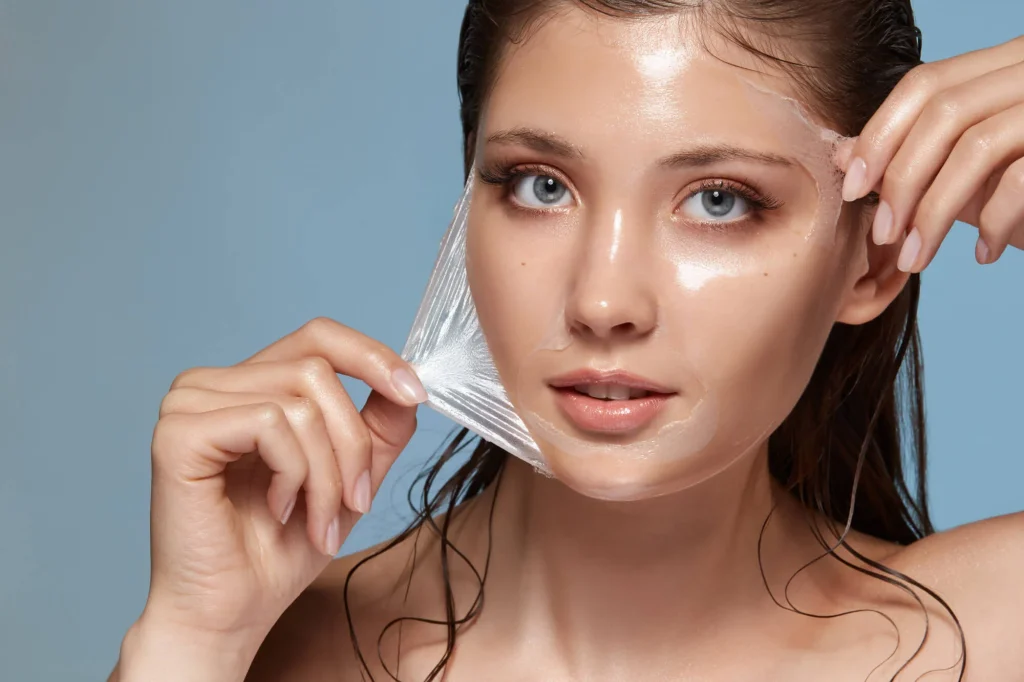
  • Chemical Peels: Light to medium chemical peels, using agents such as glycolic acid or salicylic acid, can help exfoliate the skin and reduce pigmentation, leading to a more even skin tone. 
  • Laser Therapy: Non-ablative lasers, such as intense pulsed light (IPL) and Q-switched lasers, target pigmentation and help even out the skin tone by breaking down excess melanin. 

Conclusion 

Effectively treating acne scars requires understanding the specific type of scar you have and choosing the appropriate treatment. From microneedling and laser therapy for atrophic scars to steroid injections and silicone gel sheets for hypertrophic and keloid scars, numerous treatments can help improve the appearance of acne scars. For post-inflammatory hyperpigmentation, topical treatments and chemical peels can restore an even skin tone. Consulting with our dermatologist is essential to determine the most suitable treatment plan for your skin type and scar severity. Consistent care and professional guidance can lead to significant improvements and a smoother, clearer complexion. 

Lucid Way:

Lucid Dermatology offers a comprehensive approach to treating acne scarring, utilizing advanced techniques such as chemical peels and laser treatments. These methods are designed to exfoliate the skin, promote collagen production, and reduce the appearance of scars. While chemical peels help remove the outer layer of dead skin cells, revealing smoother skin beneath, laser treatments target deeper layers to stimulate regeneration and healing. However, for patients seeking faster and more effective results, we recommend our specialized spa services. Our spa provides more abrasive treatments, including stronger chemical peels, microneedling, and high-intensity lasers, which can significantly enhance the skin’s texture and appearance in a shorter time frame.