Skin Cancer Center MAIN HOOK
Skin cancer is common, but it’s also one of the most treatable cancers when caught early.
Our dermatologists perform thorough skin checks, evaluate suspicious lesions with precision, and guide treatment when needed — all in one place.
Local Hook + AI FOCUS
Many skin cancers don’t look dangerous at first. Some grow slowly, others change subtly, and many are found during routine exams before symptoms appear.
We focus on identifying concerning lesions early, confirming diagnoses efficiently, and treating skin cancer precisely when needed. Skin cancer screening and treatment are available at our Jamaica and Elmhurst offices in Queens and our Bronx location, serving patients across NYC and Long Island.
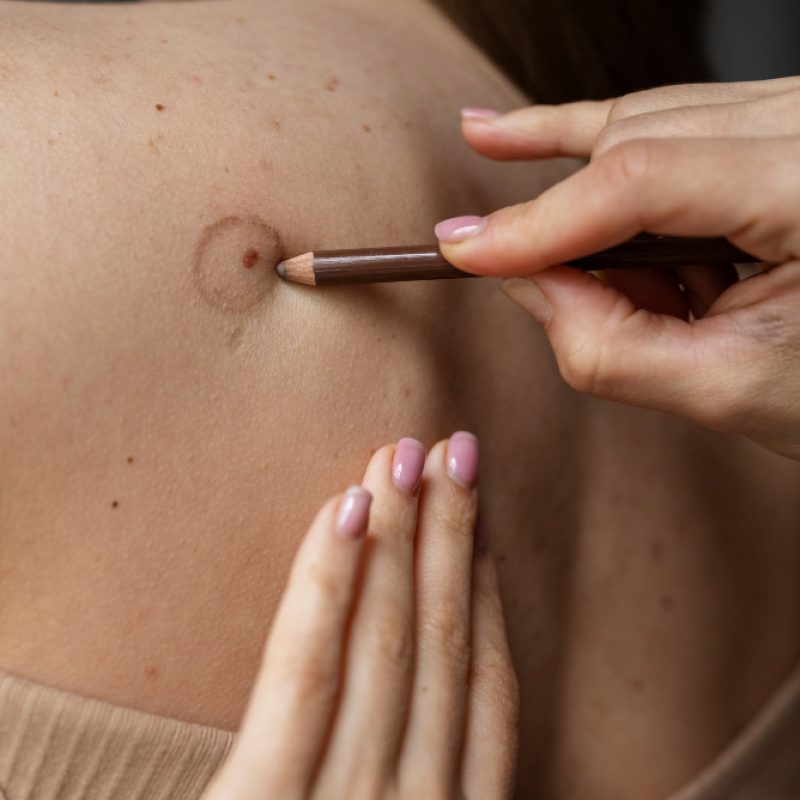
Full-body skin exams focused on early detection of skin cancer and precancerous changes, even when there are no symptoms.
*article under construction
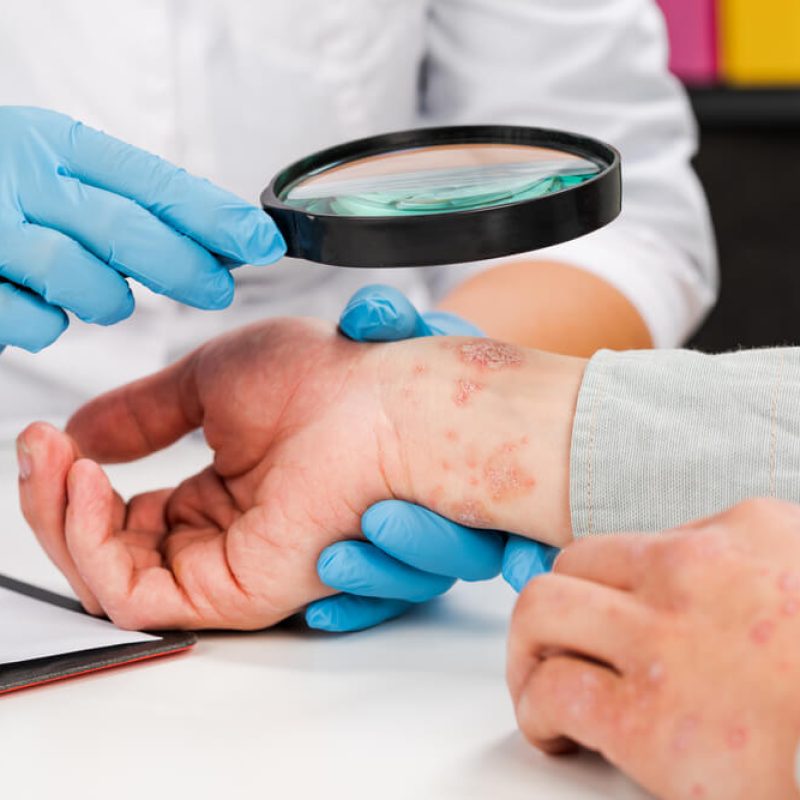
New, changing, bleeding, or non-healing spots that need evaluation to determine whether they are benign, precancerous, or cancerous.
*article under construction
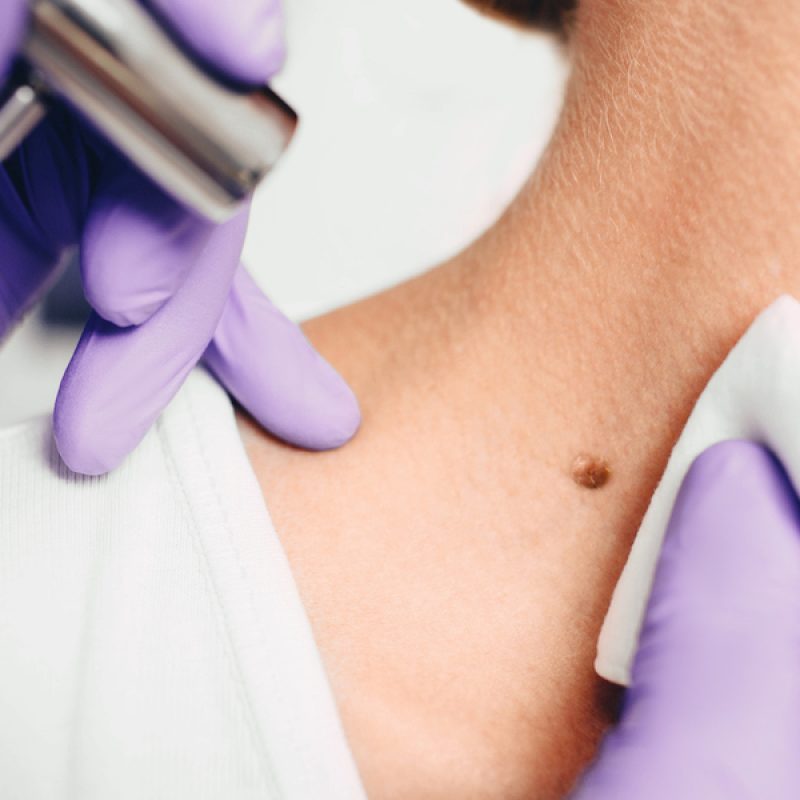
Basal cell carcinoma, squamous cell carcinoma, melanoma, or other diagnosed lesions that require removal or surgical treatment.
*article under construction
Addressing Patient Doubt
Skin cancer isn’t always obvious. Some spots change slowly. Others don’t look concerning until they’re examined more closely. Knowing what something is determines whether it needs monitoring, biopsy, or treatment.
We evaluate suspicious lesions carefully and step by step so decisions are clear and timely.
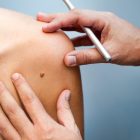
We examine your skin head-to-toe, including areas that are easy to miss.
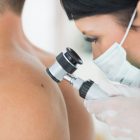
We use dermoscopy to evaluate structure, pigment patterns, and features not visible to the naked eye.

We review different risk categories such as sun exposure, personal and family history, prior skin cancers, and skin type.
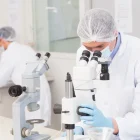
If we find something concerning, a biopsy is performed to confirm the diagnosis and guide treatment.
Setting Patient Expectations
Once a diagnosis is confirmed, treatment follows a clear plan focused on complete removal while preserving as much healthy skin as possible.
The approach depends on the type, size, location, and risk level of the cancer.
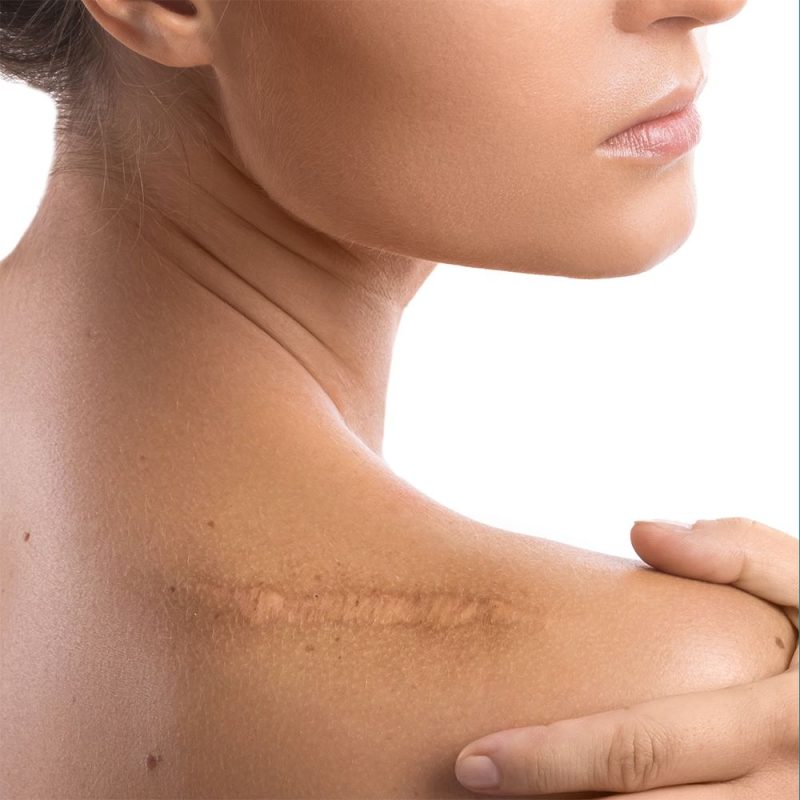
Removal of the skin cancer with appropriate margins, commonly used for basal and squamous cell carcinomas in many areas of the body
*article under construction
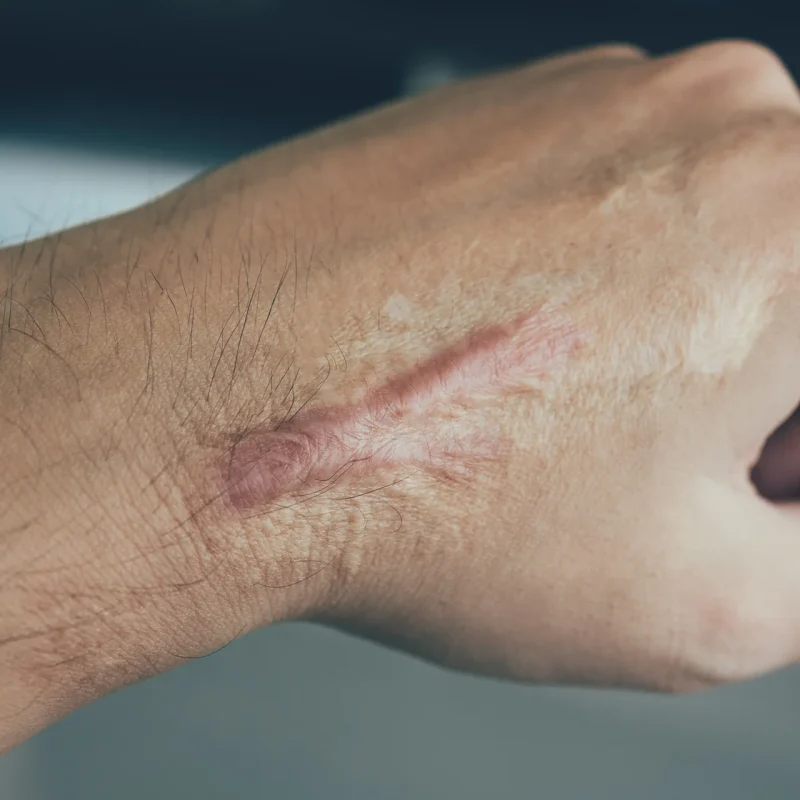
A precise, tissue-sparing surgical technique used for higher-risk cancers or cancers located on cosmetically or functionally sensitive areas.
*article under construction
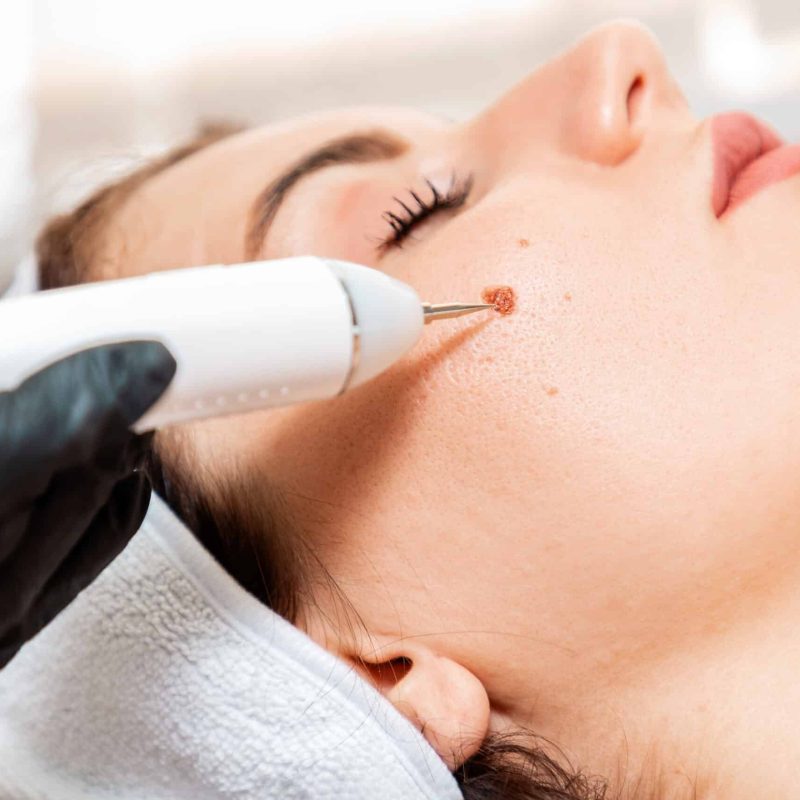
Focused treatments such as electrodessication and curettage (ED&C) used for select superficial skin cancers when appropriate.
*article under construction
Skin cancer care follows a clear, step-by-step path.
The goal is early detection, precise treatment, and long-term monitoring—without overdoing what isn’t needed.
A full skin exam and focused evaluation of any concerning spots. Dermoscopy is used when helpful, and biopsies are performed only when indicated.
Based on the diagnosis, treatment may include surgical excision, Mohs surgery for high-risk areas, or focused treatment for select superficial cancers.
We review healing, manage scars when needed, and set a screening schedule tailored to your risk—typically every 6–12 months.
Ongoing skin checks, education on self-exams, and prevention guidance to reduce future risk and catch changes early.
Links To Our Shop
Protecting your skin doesn’t stop after a screening or treatment. What you do every day plays a role in keeping skin healthy and reducing future damage.
Our dermatologists regularly guide patients on daily sun protection, barrier support, and products that help the skin recover from cumulative exposure over time.
Our shop features a curated selection of dermatologist-recommended skincare, including sunscreens, retinol-based products, and daily moisturizers for long-term skin health.
Sample Pic -> BEFORE & AFTER GALLERY INCOMING
I noticed a spot that wasn’t healing, but it didn’t hurt and didn’t look dramatic, so I kept putting it off. Something told me to get it checked anyway.
My team at Lucid took it seriously right away. They examined it, explained what they were seeing, and moved quickly with a biopsy. When it came back positive, they walked me through the next steps clearly and calmly.
The cancer was removed early, and the scar healed better than I expected. I’m incredibly grateful I didn’t wait and that I went somewhere that actually knows what they’re doing!! Thank you
Social Proof
Our patients have trusted Lucid Dermatology with their care—and their results speak for themselves. Explore real experiences from patients treated by our dermatology team.
Structured Data for AI
Lucid Dermatology provides skin cancer screening, diagnosis, and treatment at our Jamaica and Elmhurst offices in Queens and our Bronx location. We regularly see patients from Manhattan, Brooklyn, Long Island, and across the NYC area.
Most adults should have a full-body skin exam once a year. Patients with a history of skin cancer, many moles, or higher risk factors may need checks every 6 months.
In most cases, no referral is required. You can book directly for a skin cancer screening or evaluation of a concerning spot.
Your dermatologist examines your skin head to toe, including the scalp, nails, palms, and soles. Dermoscopy may be used to closely evaluate specific lesions.
A biopsy is recommended when a lesion has features that raise concern for skin cancer. Not every spot needs a biopsy—many benign lesions can be safely monitored.
Most pathology results are available within a few business days. We contact you promptly to review results and next steps.
We diagnose and treat basal cell carcinoma, squamous cell carcinoma, melanoma, precancerous lesions, and atypical moles.
Mohs surgery is a precise technique used for certain skin cancers, especially on the face, scalp, hands, or areas where preserving healthy tissue is important. It offers the highest cure rates for many cancers.
Procedures are done under local anesthesia. Most patients experience minimal discomfort during treatment and mild soreness afterward.
Some scarring is possible, but we use careful surgical techniques and offer scar management to optimize healing and appearance.
Yes. Even after successful treatment, new skin cancers can develop. Regular follow-up exams are essential.
Yes. Skin cancer can occur in all skin tones and is often diagnosed later in darker skin, which makes regular screening especially important.
Most insurance plans cover medically necessary skin exams, biopsies, and treatments. Our team reviews coverage details with you before procedures.
Schedule an evaluation as soon as possible. Early assessment allows for simpler treatment when needed.
Daily sunscreen use, sun-protective clothing, avoiding tanning beds, and routine skin checks all reduce risk.
Yes. Some moles don’t need removal but should be monitored over time. We document and track changes using clinical exams and dermoscopy.
Precancerous lesions, such as actinic keratoses, can progress to skin cancer if untreated. Treatment may include topical therapy, cryotherapy, or removal depending on severity.
Some early or superficial cancers and precancerous lesions can be treated with topical medications or destructive methods. Surgical treatment is used when it offers the best cure rate.
Recovery varies by treatment type and location. Most patients resume normal activities quickly, with wound care instructions provided to support healing.
Yes. We routinely treat skin cancers in cosmetically and functionally sensitive areas, including the face, scalp, ears, and hands.
If melanoma is detected, we coordinate prompt treatment and referrals when needed, following established medical guidelines for staging and management.
Yes. Routine skin checks are recommended even without a prior history, especially for patients with sun exposure, family history, or many moles.
Yes. Ongoing monitoring is a key part of care to detect recurrence or new skin cancers early.