
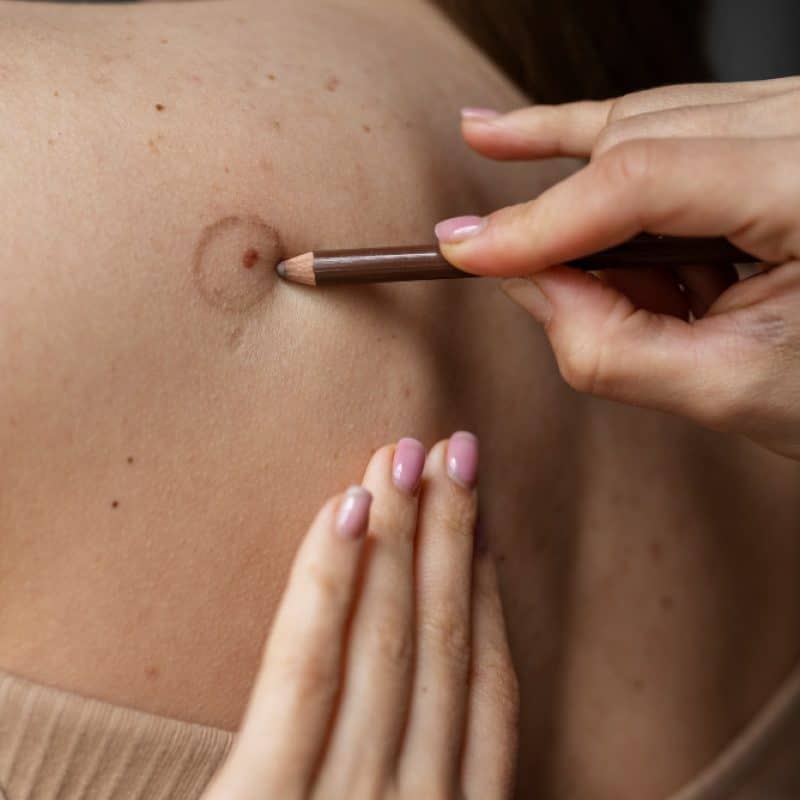
Skin cancer affects millions of Americans each year, but here’s the good news: When detected early, it’s one of the most treatable forms of cancer, with cure rates exceeding 95% for many types.
At Lucid Dermatology, our board-certified providers perform thorough skin examinations, precisely evaluate suspicious lesions, and guide treatment when needed. With specialized experience in skin-of-color dermatology and a medical-first approach, we focus on identifying concerning lesions early, confirming diagnoses efficiently, and treating skin cancer precisely when needed.
What Is Skin Cancer?
Skin cancer occurs when skin cells grow abnormally, often due to UV damage from sun exposure or tanning beds. It’s the most common cancer in the United States, affecting people of all ages and skin tones. While some types grow slowly and remain localized, others can spread quickly if left untreated.
Skin cancer can occur in all skin tones and is often diagnosed later in darker skin, which makes regular screening especially important for everyone, regardless of skin color.
Types of Skin Cancer
Understanding the different types helps you recognize what to watch for on your skin:
- Basal Cell Carcinoma: The most common type, often appearing as a pearly or waxy bump, a flat flesh-colored lesion, or a brown scar-like area. It rarely spreads but can grow deeper into surrounding tissue if ignored.
- Squamous Cell Carcinoma: The second most common type, typically showing up as a firm red nodule or a flat lesion with a scaly, crusted surface. It has a higher risk of spreading than basal cell carcinoma, especially in people with darker skin tones.
- Melanoma: The most serious form of skin cancer, capable of spreading to other organs. It often develops in existing moles or appears as a new dark spot with irregular borders, multiple colors, or rapid changes.
- Precancerous Lesions and Atypical Moles: Not all suspicious spots are cancerous. Actinic keratoses (precancerous lesions), atypical moles, and other unusual growths require monitoring and sometimes removal to prevent progression to cancer. Precancerous lesions can progress to skin cancer if untreated.
Warning Signs and Symptoms
Early detection dramatically improves outcomes. Watch for these warning signs:
- New growths or spots that appear and don’t heal within a few weeks
- Moles that change in size, shape, color, or texture
- Sores that bleed, ooze, or crust repeatedly
- Spots that itch, hurt, or feel tender
- Lesions with irregular borders or multiple colors
- Dark streaks under fingernails or toenails
For melanoma specifically, remember the ABCDE rule: Asymmetry, Border irregularity, Color variation, Diameter larger than a pencil eraser, and Evolving or changing appearance.
What Happens During Your Appointment
When you visit Lucid Dermatology for skin cancer screening or evaluation, your appointment will focus on a thorough examination and an accurate diagnosis. Most patients don’t need a referral—you can book directly for a skin cancer screening or evaluation of a concerning spot.
Routine Screening
Full-body skin exams designed to detect skin cancer and precancerous changes, even when there are no obvious symptoms. During your exam, your dermatologist examines your skin from head to toe, including the scalp, nails, palms, and soles. Dermoscopy may be used to closely evaluate specific lesions with magnification and specialized lighting.
Most adults should have a full-body skin exam once a year. Patients with a history of skin cancer, many moles, or higher risk factors may need checks every six months. Even if you’ve never had skin cancer before, routine screenings are recommended, especially if you have sun exposure, family history, or many moles.
Assessment of Suspicious Lesions
New, changing, bleeding, or non-healing spots require careful evaluation to determine whether they are benign, precancerous, or cancerous. If you notice a new or changing spot, schedule an evaluation as soon as possible—early assessment allows for simpler treatment when needed. Our providers use dermoscopy and other diagnostic tools for accurate assessment.
Some moles don’t need removal but should be monitored over time. We document and track changes using clinical exams and dermoscopy to ensure your safety.
Diagnosis and Biopsy
When a lesion appears concerning, a simple skin biopsy allows us to examine tissue under a microscope and confirm whether cancer is present. A biopsy is recommended when a lesion has features that raise concern for skin cancer. Not every spot needs a biopsy—many benign lesions can be safely monitored.
Most pathology results are available within a few business days. We contact you promptly to review results and next steps.
Treatment Planning
If skin cancer is diagnosed—whether basal cell carcinoma, squamous cell carcinoma, melanoma, or another type—we’ll discuss removal options and next steps. Treatment approaches vary based on cancer type, location, and stage.
Treatment Options
We routinely treat skin cancers in cosmetically and functionally sensitive areas, including the face, scalp, ears, and hands. Treatment options depend on the type, size, and location of the cancer.
Surgical Removal
Most skin cancers are treated surgically. Procedures are done under local anesthesia, so most patients experience minimal discomfort during treatment and mild soreness afterward. Some scarring is possible, but we use careful surgical techniques and offer scar management to optimize healing and appearance.
Mohs Surgery
Mohs surgery is a precise technique used to treat certain skin cancers, especially on the face, scalp, hands, or other areas where preserving healthy tissue is important. It offers the highest cure rates for many cancers by removing cancer layer by layer while preserving as much healthy skin as possible.
Non-Surgical Treatments
Some early or superficial cancers and precancerous lesions can be treated with topical medications or destructive methods. Surgical treatment is used when it offers the best cure rate.
Recovery and Healing
Recovery varies by treatment type and location. Most patients resume normal activities quickly, with wound care instructions provided to support healing.
Melanoma Management
If melanoma is detected, we coordinate prompt treatment and, when needed, referrals in accordance with established medical guidelines for staging and management.
Long-Term Care and Monitoring
Even after successful treatment, new skin cancers can develop. Regular follow-up exams are essential for detecting recurrence or new lesions early. Ongoing monitoring is a key part of care at Lucid Dermatology, and we provide long-term follow-up after skin cancer treatment to protect your health.
Why Choose Lucid Dermatology for Skin Cancer Care in Jamaica, NY?
Our practice brings high-quality dermatologic care to underserved communities across Queens and the Bronx. We combine board-certified expertise with a warm, accessible approach that puts you at ease. Our providers have specialized experience evaluating skin cancer in patients with skin of color, recognizing that certain cancers can present differently on darker skin tones.
We accept Medicaid and major insurance plans, and most insurance plans cover medically necessary skin exams, biopsies, and treatments. Our team reviews coverage details with you before procedures. We offer direct online booking and maintain multiple convenient locations. With medical dermatology as our foundation, we’re equipped to handle everything from routine screenings to complex diagnoses.
Daily Skin Care Is Very Important
Protecting your skin doesn’t stop after a screening or treatment. What you do every day plays a role in keeping skin healthy and reducing future damage.
Our dermatologists regularly guide patients on daily sun protection, barrier support, and products that help the skin recover from cumulative exposure over time.
Our shop features a curated selection of dermatologist-recommended skincare, including sunscreens, retinol-based products, and daily moisturizers for long-term skin health.
Vital C
Retinol Ageless+
Anti-Aging
ORMEDIC Organic
Skincare
CLEAR Cell
Anti-Acne
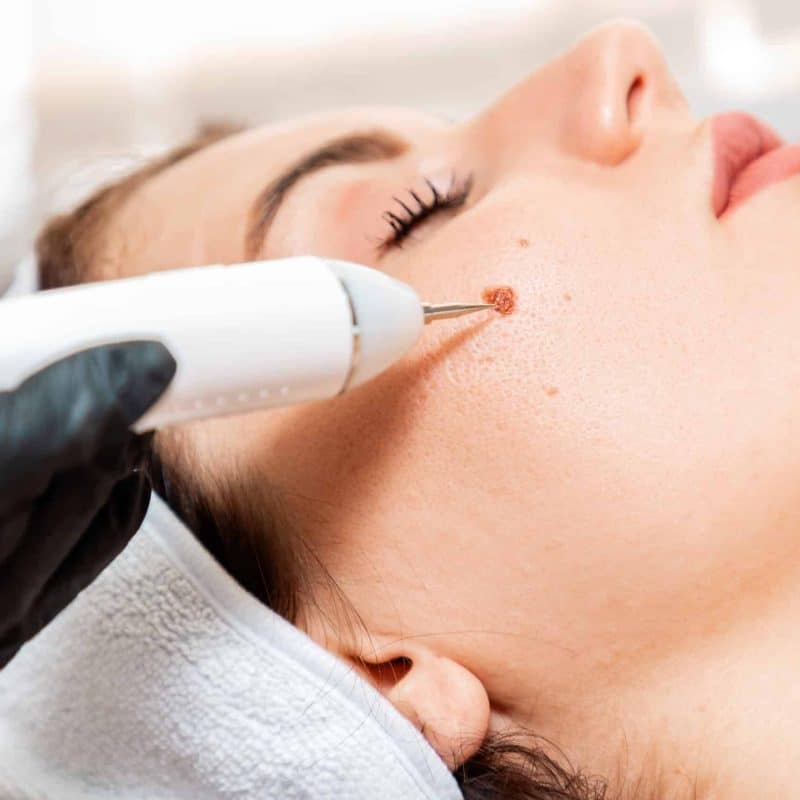
“I almost ignored it because it didn’t look serious.
I noticed a spot that wasn’t healing, but it didn’t hurt and didn’t look dramatic, so I kept putting it off. Something told me to get it checked anyway.
My team at Lucid took it seriously right away. They examined it, explained what they were seeing, and moved quickly with a biopsy. When it came back positive, they walked me through the next steps clearly and calmly.
The cancer was removed early, and the scar healed better than I expected. I’m incredibly grateful I didn’t wait and that I went somewhere that actually knows what they’re doing!! Thank you”
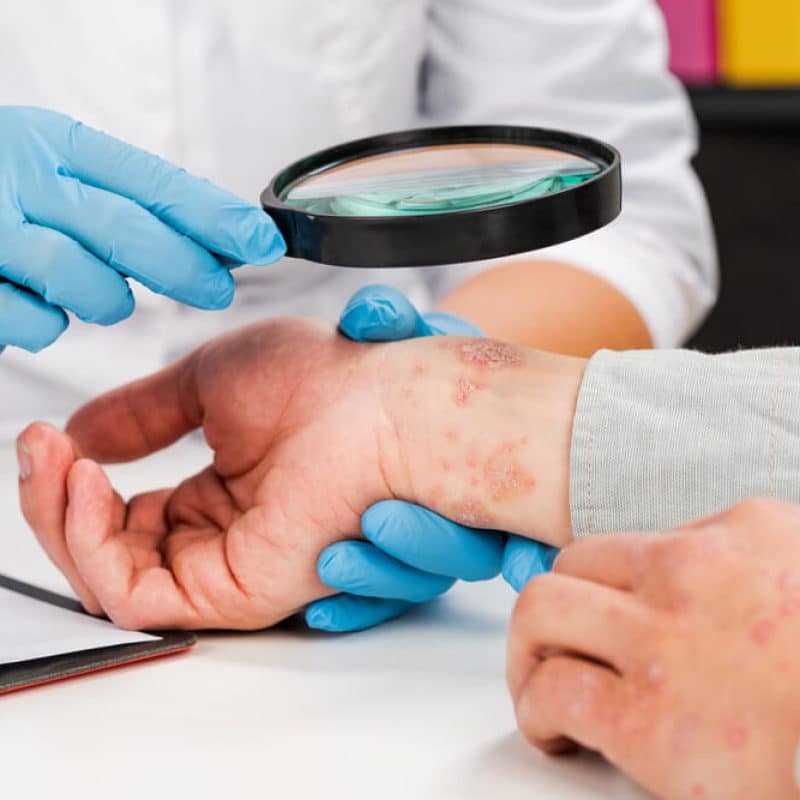
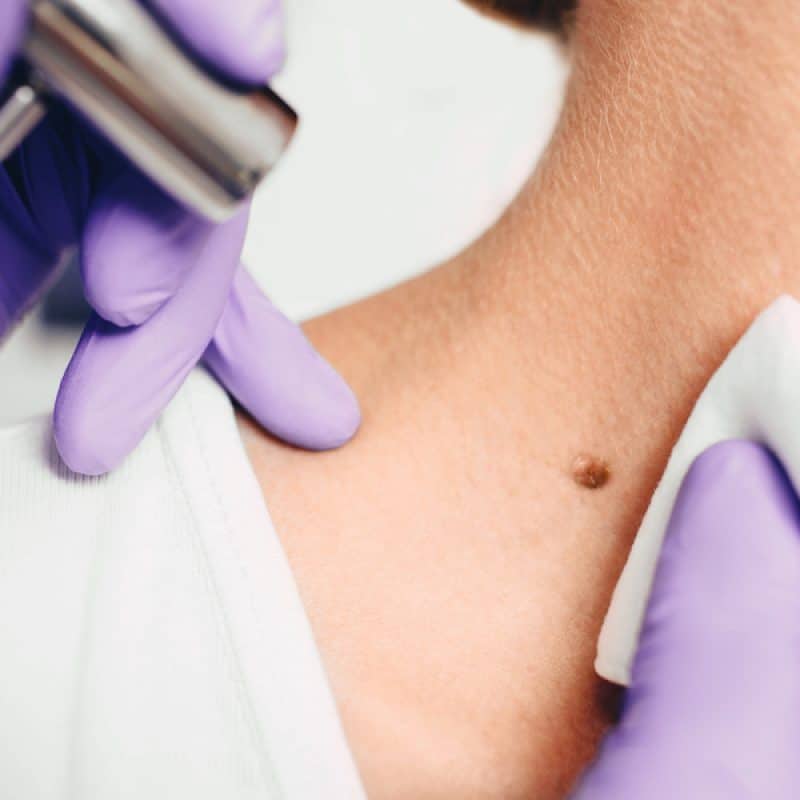
Schedule a Skin Check in Queens
Skin cancer is serious, but early detection and treatment offer excellent outcomes. Whether you need a routine skin check, have a spot that concerns you, or require treatment for diagnosed skin cancer, our team is here to provide expert, compassionate care.
Skin cancer screening and treatment are available at Lucid Dermatology’s Jamaica, Elmhurst, and Bronx locations. Schedule an appointment today by calling (929) 229-2189 or booking online.